Caspian Drill Disaster Kills 12 Soldiers
Nineteen Kazakh servicemen were swept into the Caspian during a naval exercise. The death toll rose from nine to 12 as rescuers continued searching.
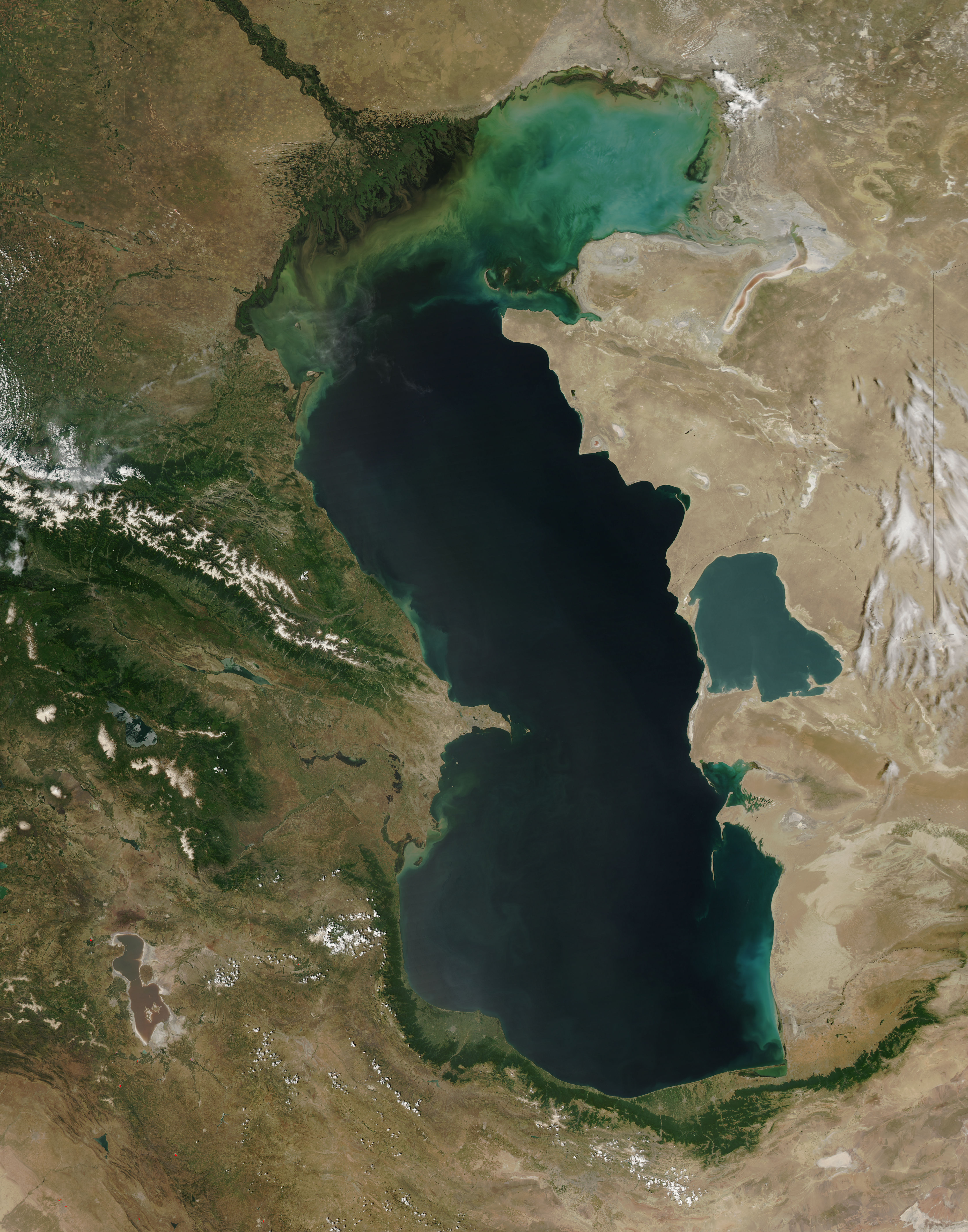
Kazakhstan’s Khazar Korgany-2026 exercise has become a national military tragedy after 19 servicemen were swept into the Caspian Sea when weather conditions deteriorated rapidly.
Initial official reports listed nine dead, three rescued and seven missing. Later updates raised the death toll to 12. With three personnel rescued, four remained unaccounted for at the latest information reviewed for this article.
Because the search is continuing, every publication should time-stamp the number and update it before posting. Repeating the initial nine-death figure without qualification would now be inaccurate.
The Defense Ministry said strong winds developed during a combat-training mission in the Mangystau region. Naval, emergency, aviation and other services were deployed. One rescued serviceman was hospitalized.
Sudden weather can overwhelm even trained units, but “bad weather” is the beginning of an investigation, not its conclusion. Military exercises are supposed to include forecasts, cancellation thresholds, flotation equipment, rescue craft, accountability systems and commanders authorized to stop training.
Investigators must reconstruct when warnings were received, who assessed conditions and whether the mission continued after risk increased. They must also determine whether the personnel were on a vessel, crossing water or operating from the coast when the wave or wind event occurred.
Equipment will be another focus. Personal flotation devices must fit over military gear and function under load. Cold water, boots and body armor can make even strong swimmers helpless within minutes. Training realism cannot justify equipment that prevents survival.
Rescue readiness matters equally. A naval drill should anticipate people entering the water. The availability and distance of boats, helicopters, medical teams and thermal detection may determine whether the casualty count reflects unavoidable conditions or preventable delay.
The government has formed a commission involving defense, emergency, health, transport and prosecutorial authorities. That broad membership is appropriate, but public confidence will depend on whether findings and command responsibility are released.
Military institutions often protect operational secrecy and reputation after accidents. Families need something different: timely notification, accurate names, financial support and honest explanation. Rumor grows when official updates are slow.
Kazakhstan’s Caspian forces have strategic responsibilities involving borders, energy infrastructure and regional security. Those missions make rigorous safety more important, not less. A force that loses personnel during training weakens readiness before confronting an enemy.
The tragedy also illustrates a wider pattern: militaries preparing for geopolitical threats can neglect ordinary hazards. Weather, maintenance and fatigue kill without appearing in threat assessments.
Training culture will be examined
Accident investigations often focus on equipment while avoiding the social pressure that keeps an exercise running. Junior personnel may recognize danger but feel unable to challenge a commander or schedule.
A strong safety culture gives anyone authority to stop activity when thresholds are crossed and protects them from retaliation. That does not weaken military discipline; it preserves trained people for combat.
Weather forecasting around the Caspian can be difficult because conditions change quickly. Plans must account for forecast uncertainty rather than assuming the most likely scenario.
International naval standards may offer useful comparison. Kazakhstan can invite independent experts without surrendering control of the investigation. External review reduces suspicion that hierarchy protected itself.
The exercise name and strategic purpose should not distract from individual loss. Publishing names with family consent, honoring rescuers and supporting survivors matter alongside technical findings.
Survivors may carry guilt and trauma that require long-term care. The institution’s responsibility continues after rescue boats return, particularly if personnel must testify against commanders.
Public accountability should not wait for every missing soldier to be found, although rescue remains the priority. Authorities can preserve weather data, radio logs, equipment records and command orders immediately. Families deserve regular briefings even when there is no new confirmed information; rumor grows in an official vacuum. The final report should explain not only what happened in the water but why the exercise continued under changing conditions. If procedures were followed and still failed, they must be redesigned. If they were ignored, responsibility must reach the level where decisions were made. Memorials cannot substitute for lessons that prevent repetition.
What to watch next
Are the remaining personnel found, and does the government publish the full sequence of decisions? Were safety thresholds or equipment inadequate? The storm triggered the disaster, but the investigation must determine whether preparation turned a hazard into mass casualties.