Leaked Documents Point to Russian Missile Support for Iran—How Deep Does the Military Partnership Go?
Investigations based on leaked Russian documents describe a 90-launcher deal and a separate supersonic missile program. The reports indicate cooperation, but do not prove every system reached Iran.
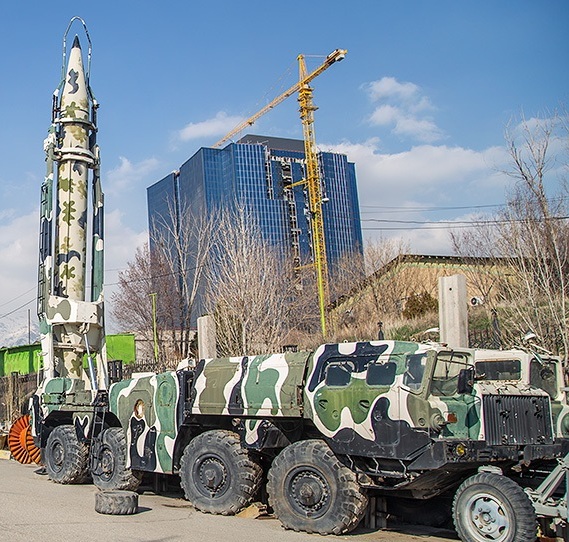
A 90-launcher contract—and a wider technology story
Leaked Russian defense documents reviewed by the Financial Times and shared with The Guardian describe a contract to supply Iran with 90 launchers for a precision-guided missile fired from attack helicopters. The reports add to earlier investigations alleging that Russian specialists helped Iran develop technology for a supersonic cruise missile.
The launcher contract is not proof that all systems were delivered or put into service. Documents can show a planned or agreed transaction without establishing the final shipment, integration or operational use. The cruise-missile report is separate: it describes a development program, not a verified deployed weapon.
Why the relationship matters
Russia and Iran have expanded military cooperation over several years. Iran supplied drones used by Russia in Ukraine, while Moscow has provided technical assistance and weapons-related support to Tehran, according to multiple investigations. The relationship is shaped by mutual interests, but it is not necessarily an equal alliance. Russia’s own defense industry is under strain from the war in Ukraine and export controls.
For Iran, access to launchers and missile technology could help rebuild capabilities damaged in the current war. For Russia, transfers can deepen ties with a partner and generate revenue or influence. But the risks are substantial: the United States and its allies may impose additional sanctions, while the scale of Russian support could complicate efforts to negotiate with Moscow over Ukraine or broader security questions.
The evidence also needs careful handling. Leaked documents are valuable when independently reviewed and corroborated, but the public often cannot inspect the full record. Governments may use reports about weapons transfers to justify policy choices.
Do the documents show a strategic partnership becoming more operational—or limited transactions that are difficult to verify? And can either side sustain the cooperation while fighting its own costly war?