Riyadh Says It Stopped Another Houthi Missile
Saudi Arabia reports a successful interception over Riyadh, but debris, target and independent confirmation remain important after repeated attacks.
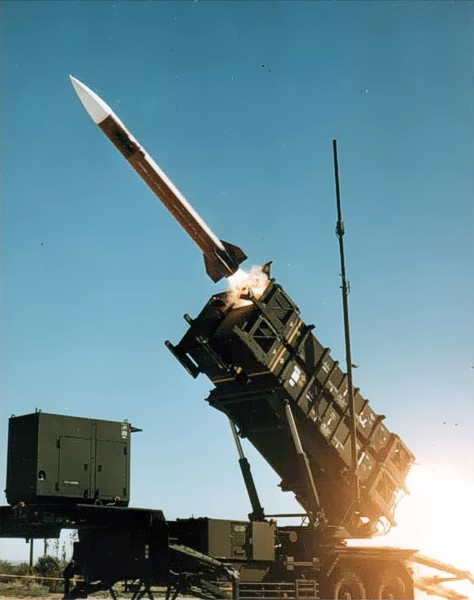
Saudi Arabia says it intercepted another Houthi ballistic missile headed for Riyadh. The announcement offers reassurance after deadly airport attacks, but an interception is not the same as zero danger: falling debris, missed fragments and confusion over the intended target can still threaten civilians.
What happened
The coalition said air defenses detected and destroyed the incoming weapon before it reached its target. No independently verified impact or major damage was immediately reported. Authorities have previously announced interceptions of missiles aimed at Riyadh and Khamis Mushait during October, while Ansarullah has publicized a much broader campaign against airports, bases and Aramco facilities.
The newest short alert does not identify the missile type, launch point, interceptor used or intended installation. Those omissions are normal during an active defense operation, but they limit outside assessment.
Why it matters
Saudi Arabia operates Patriot and THAAD systems as well as fighters, radars and allied support. Ballistic defense is a sequence: detect the launch, classify the track, decide whether it threatens a protected area and engage at the right point. Success can require multiple expensive interceptors against one cheaper missile.
Riyadh’s size and strategic importance make it a high-value psychological target even when the physical damage is limited.
A successful interception demonstrates functioning defenses, not strategic victory. Ansarullah can continue launching to drain interceptors, disrupt flights and force Saudi authorities to issue alerts. Riyadh must balance public transparency with operational secrecy; too little information creates rumors, while too much may help attackers assess results.
The repeated exchange also raises the probability of a catastrophic mistake. A weapon aimed at a military site can hit a civilian area, and interceptor debris can cause casualties far from the target.
Verification and competing accounts
Saudi coalition statements confirm an interception claim. Similar incidents occurred earlier in October, so fresh imagery and timestamps are needed to prevent recycling an older report. Sources consulted include Saudi coalition spokesman, Reuters, regional aviation reporting, Al Arabiya, open-source missile monitors. Official, military, partisan and anonymous-source claims remain attributed unless independently established.
The responsible formulation remains “Saudi Arabia says.” Absence of visible damage does not prove the missile never approached, while a flash or explosion video does not establish a direct impact. Older interception footage frequently recirculates during new alerts.
Reading the signal
Scale matters as much as authenticity. A dramatic warning, launch, diplomatic announcement or leaked document may be genuine without changing the wider balance. Strategic change requires persistence: implemented policy, measurable disruption, repeated operational success, durable financing or behavior altered by the development.
Every actor also has a communications objective. Governments seek confidence and deterrence, armed groups seek momentum, businesses protect commercial interests and politicians seek electoral advantage. Motive does not make a claim false, but it explains why precise attribution and independent corroboration matter.
The assessment can change quickly. Responsible coverage preserves the verified core, labels the contested perimeter and identifies what evidence would alter the conclusion. That approach is less theatrical than a viral caption, but far more useful when readers are judging war, diplomacy, public safety or markets.
Breaking-news language can make a real development sound more conclusive than the available evidence permits. A disciplined assessment separates an observable event from an interested actor's account and from the strategic interpretation added afterward. A verified statement proves the words were spoken; it does not automatically prove every operational claim inside them.
Confidence normally improves through named records, imagery, technical data, official notices and reporting from sources with different incentives. Until those checks converge, words such as “reported,” “claimed,” “preliminary” and “unverified” describe the actual strength of the evidence. They are essential when governments, militaries and political campaigns are competing to define the same event.
Scale matters as much as authenticity. A dramatic warning, launch, diplomatic announcement or leaked document may be genuine without changing the wider balance. Strategic change requires persistence: implemented policy, measurable disruption, repeated operational success, durable financing or behavior altered by the development.
Every actor also has a communications objective. Governments seek confidence and deterrence, armed groups seek momentum, businesses protect commercial interests and politicians seek electoral advantage. Motive does not make a claim false, but it explains why precise attribution and independent corroboration matter.
What to watch next
Watch civil-defense notices, flight operations, geolocated debris, Houthi statements and any satellite evidence near likely targets. Confirmation of missile type and interceptor expenditure would help assess the cost and sustainability of Saudi defense.