Shannon Airport Erupts: Protester Climbs Onto U.S. Air Force C-130 and Damages Aircraft at Ireland's Most Controversial Transit Hub
This was not just an airport security breach. It was a live collision between Irish neutrality politics and America's wartime logistics chain.
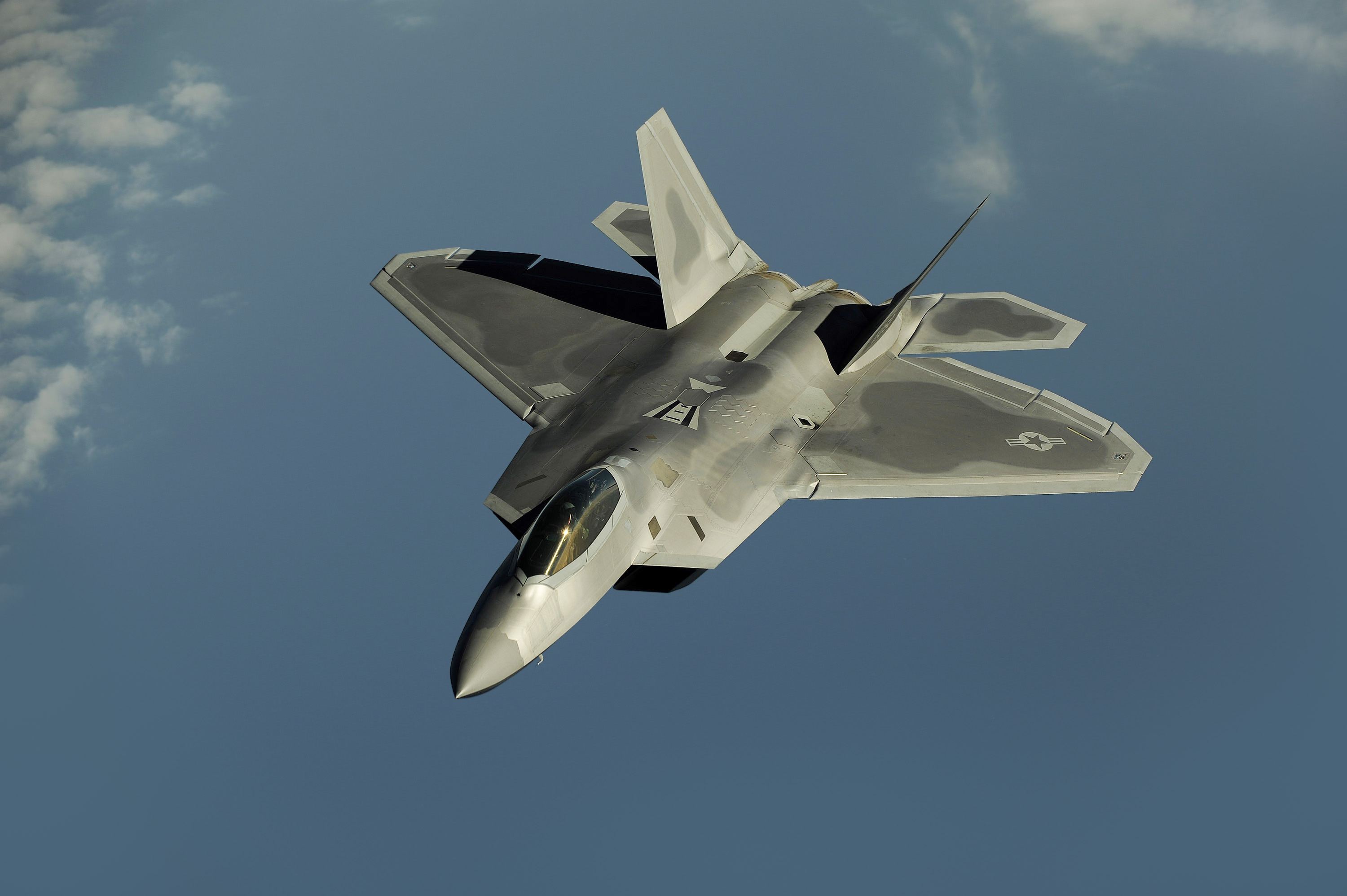
The images are dramatic because the politics behind them were already explosive before the man ever reached the wing.
Irish media reported that a protester breached the airside perimeter at Shannon Airport, climbed onto a parked U.S. Air Force C-130 Hercules, and allegedly damaged the aircraft before being arrested. Shannon briefly halted operations. Gardai, airport police and armed units responded. Early local reporting said an implement that may have been an axe was involved.
On its face, this is a security story. In context, it is much more than that.
Shannon has become one of the most politically charged transit points in Europe because it sits at the intersection of two narratives that no longer fit together comfortably. On one side is the Irish state's insistence that it is not participating in foreign wars in the way critics claim. On the other is the visible reality that U.S. military aircraft continue to move through Irish territory in moments of major Middle East escalation.
That contradiction has made Shannon symbolic. To critics, it is proof that neutrality has become branding rather than policy. To defenders, it is a legal and logistical compromise that does not convert Ireland into a co-belligerent. To activists, it is a site where moral protest should no longer remain abstract.
This latest breach will intensify all of that.
Security questions will follow first. How does someone reach a U.S. military aircraft on a live airfield during wartime transit conditions? What failed? Were existing protection measures politically constrained because of the airport's mixed civilian-military sensitivity?
Then the larger argument returns: why is Shannon so central in the first place?
The answer is geographic, historical and bureaucratic. Shannon is useful. It is also politically deniable enough to keep being used — until episodes like this rip away the deniability. Once an activist is on the wing of a U.S. aircraft and the airport is closing down, the fiction of quiet normality collapses.
That is why this incident matters beyond the damage itself. It forces the Irish government back into a question it has tried to manage rather than resolve: can you be a neutrality-minded European state while remaining a dependable transit node for U.S. military logistics in a controversial regional war?
The answer may still be yes in legal terms. Politically, it is getting harder.
Shannon is no longer just a stopover. It is a referendum runway.