Trump Asked Xi to Ease China’s Pressure on Japan
Trump reportedly urged Xi Jinping to ease Chinese export restrictions on Japan, adding a sensitive allied dispute to Washington’s trade talks with Beijing.
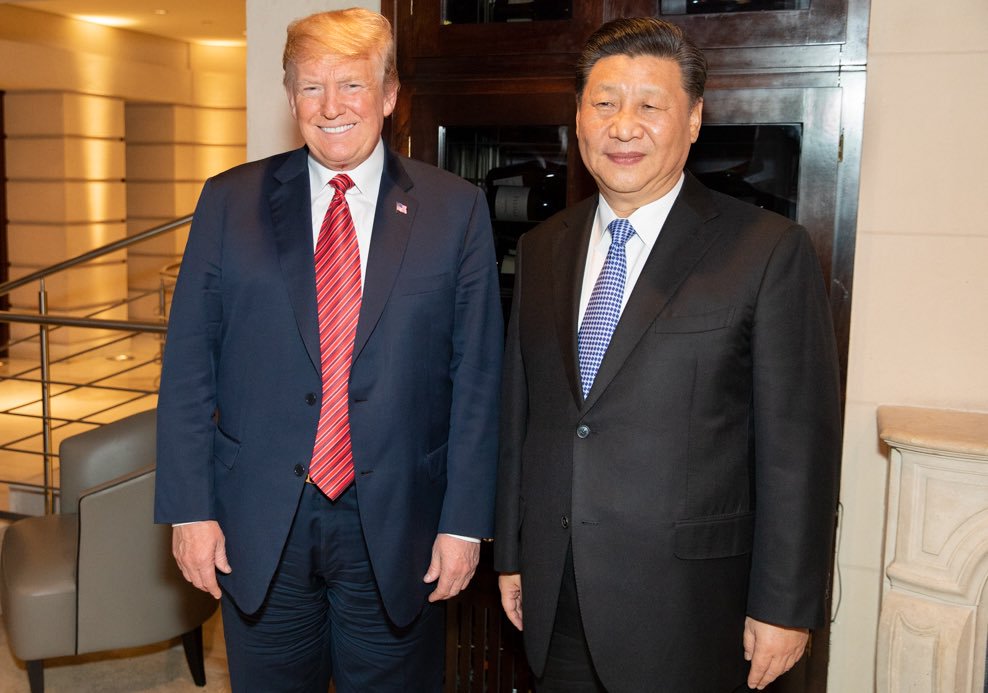
Donald Trump asked Chinese President Xi Jinping to relax export restrictions aimed at Japan during their Washington summit, according to the South China Morning Post. The reported intervention places the United States between its principal Asian ally and its largest strategic competitor at a moment when critical-mineral supply chains are already under pressure.
SCMP cited people familiar with the discussions who said Trump urged Xi to roll back controls affecting Japan, including rare-earth-related measures, and to speak directly with Japanese Prime Minister Sanae Takaichi. Xi was reportedly unreceptive and raised concerns about Japan’s military direction and historical conduct.
There is no public transcript confirming that exchange. The White House and Chinese government have described the summit in broader terms, emphasizing trade stabilization and communication. Anonymous-source diplomacy reporting can be accurate, but the specific request and Xi’s response remain reported claims rather than an official joint record.
The underlying dispute is credible and strategically important. China dominates the refining and processing of many rare-earth elements used in electronics, vehicles, missiles, radar and advanced manufacturing. Licensing delays or export restrictions can create immediate problems even when the raw minerals originate elsewhere.
Japan is unusually sensitive to such pressure. A 2010 maritime dispute was followed by an unofficial interruption in Chinese rare-earth shipments, an episode that accelerated Tokyo’s investment in alternative suppliers, recycling and stockpiles. Those efforts reduced exposure but did not eliminate it.
Washington also has an interest in preventing China from using supply chains to coerce Japan. US defense production relies on Japanese components and industrial cooperation, while American companies depend on the same mineral-processing ecosystem. A restriction directed at Tokyo can propagate through US manufacturing.
The reported request also tests the value of Trump’s recent trade understanding with Xi. US officials have presented that arrangement as a way to reduce tariffs, stabilize commerce and improve Chinese cooperation. If Beijing intensifies restrictions against an American ally while enjoying calmer trade with Washington, critics will argue that China is splitting the alliance.
Beijing would frame the issue differently. Chinese officials say export controls protect national security and prevent sensitive goods from supporting military expansion. They object strongly to Japanese statements about Taiwan and to efforts by the United States, Japan and Europe to deny China advanced semiconductor technology.
That creates a cycle of economic security measures. Washington restricts chips and manufacturing equipment. Beijing limits minerals and components. Japan subsidizes domestic production and aligns with US controls. Each government presents its action as defensive and the other side’s response as coercive.
Trump’s intervention could help if it produces transparent licensing standards and prevents sudden embargoes. It could also complicate talks if Xi views Japan as a bilateral issue or demands US concessions on technology, Taiwan or tariffs in return.
Tokyo must avoid appearing dependent on a personal appeal from an American president. Its durable response is diversification: long-term contracts with Australia and other producers, investment in refining, substitution research and strategic inventories. Those steps are costly, but less costly than discovering during a crisis that a critical input has only one practical supplier.
For the United States, the episode is a reminder that trade deals cannot be evaluated only through bilateral tariff totals. An agreement with China that leaves allies exposed to selective economic pressure may reduce one headline deficit while weakening the wider coalition.
The next stage will show whether the summit created an enforceable understanding or merely a political pause. Publicly verifiable licensing approvals would carry more weight than optimistic descriptions of personal trust.
Japan is not merely a beneficiary of US diplomacy. It is a major investor in American manufacturing and a source of advanced materials, machine tools and batteries. Disruption to Japanese production can therefore reach US factories even if no American shipment is directly restricted. That interdependence gives Washington a concrete economic reason to intervene, beyond alliance symbolism. It also means Tokyo and Washington should coordinate export-control policy rather than announce measures separately. China is more likely to exploit gaps when allied restrictions are inconsistent, and businesses are more likely to comply when licensing rules are predictable across jurisdictions.
What to watch next
Watch Chinese export-license data, Japanese stockpile releases, a possible Xi-Takaichi call and any US statement confirming the request. The key test is whether shipments normalize without Japan making unrelated political concessions.