Trump May Drop a Separate Iran Nuclear Deal if Hormuz Reopens: Strategic Victory—or Quiet Abandonment of the War’s Original Goal?
The Wall Street Journal reports Donald Trump is considering ending the Iran conflict without a standalone nuclear agreement if Tehran fully reopens the Strait of Hormuz. U.S. officials believe damaged nuclear facilities and intelligence monitoring could delay rebuilding through Trump’s term.
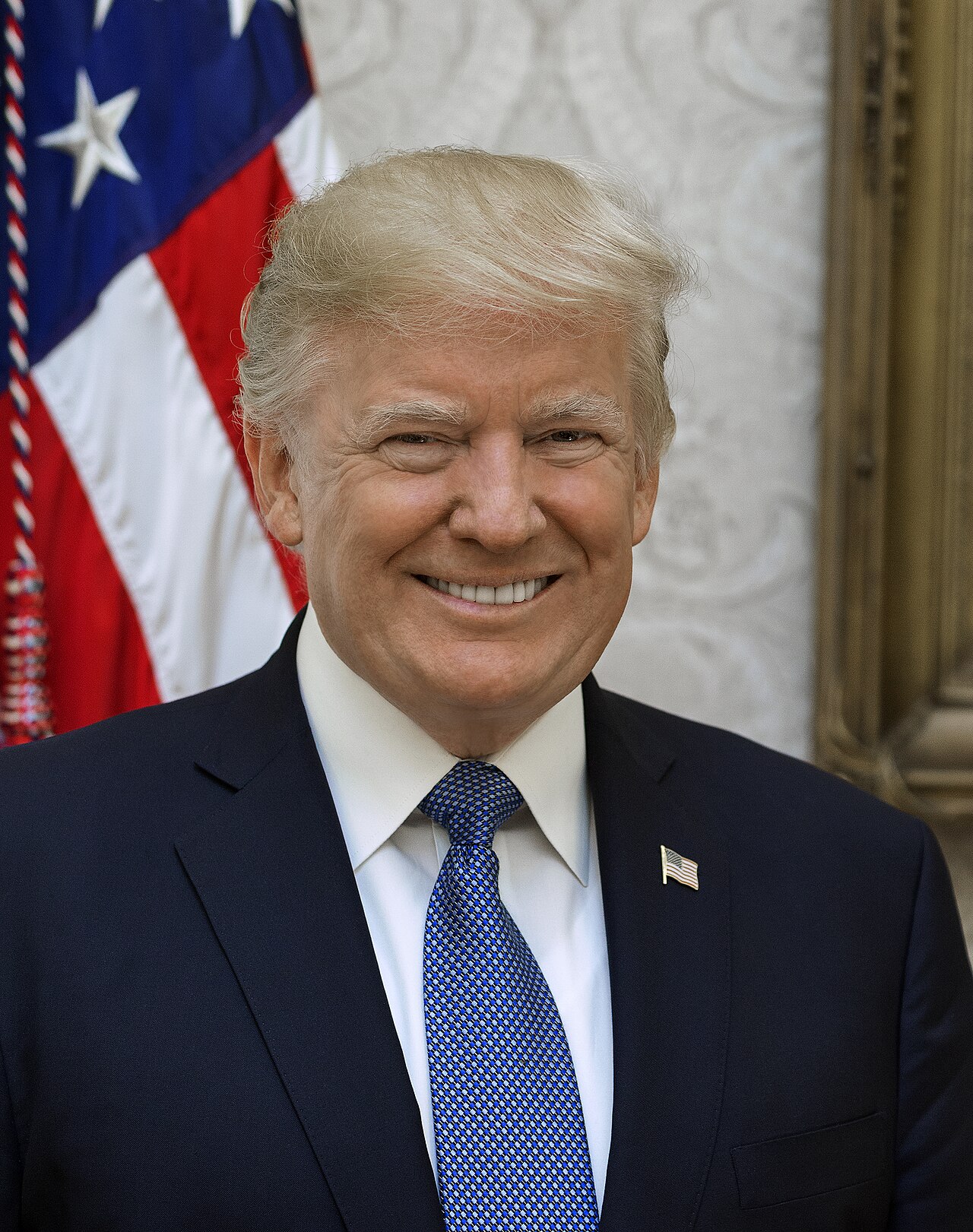
President Donald Trump is considering ending the Iran conflict without securing a separate comprehensive nuclear agreement if Tehran fully reopens the Strait of Hormuz, according to U.S. officials cited by The Wall Street Journal.
If implemented, the shift would represent a major change in emphasis.
The war was repeatedly justified in part by the argument that Iran could never be allowed to obtain a nuclear weapon.
Washington is now increasingly focused on restoring commercial shipping, reducing oil prices and finding a politically acceptable exit from the conflict.
The reported logic is that U.S. and Israeli strikes have already destroyed or heavily damaged three key Iranian nuclear facilities.
American officials believe Tehran would struggle to rebuild substantial capability during Trump’s remaining time in office without U.S. intelligence detecting the effort.
That assessment could allow Trump to declare that the nuclear threat has been neutralised militarily even without a new treaty.
The idea carries obvious risks.
Bombing facilities destroys equipment and infrastructure.
It does not erase nuclear knowledge.
Iran retains scientists, engineering expertise and potentially dispersed material or components.
A surveillance-based strategy assumes U.S. intelligence can detect reconstruction early enough to act.
That may be true for large visible enrichment facilities.
Smaller covert programmes are harder.
The shift also changes Iran’s negotiating leverage.
Tehran now understands that Hormuz may matter more to Trump politically than a detailed nuclear agreement.
Oil prices, shipping disruption and voter anger over the cost of war create pressure on Washington.
Iran has responded by raising its demands.
Those demands include an end to the U.S. naval blockade, sanctions relief, unfreezing assets, withdrawal of American forces from the region and war reparations.
Trump has said U.S. taxpayer money will not be used to compensate Iran.
Officials nevertheless appear open to other economic concessions, including releasing some frozen Iranian assets or easing port restrictions if the strait fully reopens.
This creates a possible bargain that both sides could present differently.
Trump could say Iran’s nuclear infrastructure was destroyed and global shipping restored.
Iran could say it forced the United States to end the blockade and release assets without surrendering its nuclear rights.
The absence of a standalone nuclear treaty might actually make agreement politically easier.
It could also leave the core dispute unresolved for the next administration.
Israel would be particularly concerned.
Jerusalem has repeatedly argued that military damage must be followed by restrictions preventing Iran from rebuilding.
If Washington accepts a maritime deal without permanent nuclear limits, Israel may conclude that unilateral action remains necessary.
That could undermine the very peace Trump is trying to create.
The strategic question is therefore larger than Hormuz.
Was the objective of the war to permanently reshape Iran’s nuclear programme, or to damage it enough that deterrence and intelligence can manage the risk?
Those are very different standards of victory.
The open question is whether Trump’s emerging approach represents pragmatic recognition that a perfect nuclear deal is unattainable—or a politically convenient exit that postpones the same nuclear crisis until after he leaves office.