Trump Rules Out an Immediate Iran Strike—But His Mixed Signals Leave the Door Open
Trump answered “no” when asked about striking Iran after the midterms, said Tehran wanted Washington to stop killing its leaders, and claimed a deal could happen—even as US strikes on Qeshm were reported.
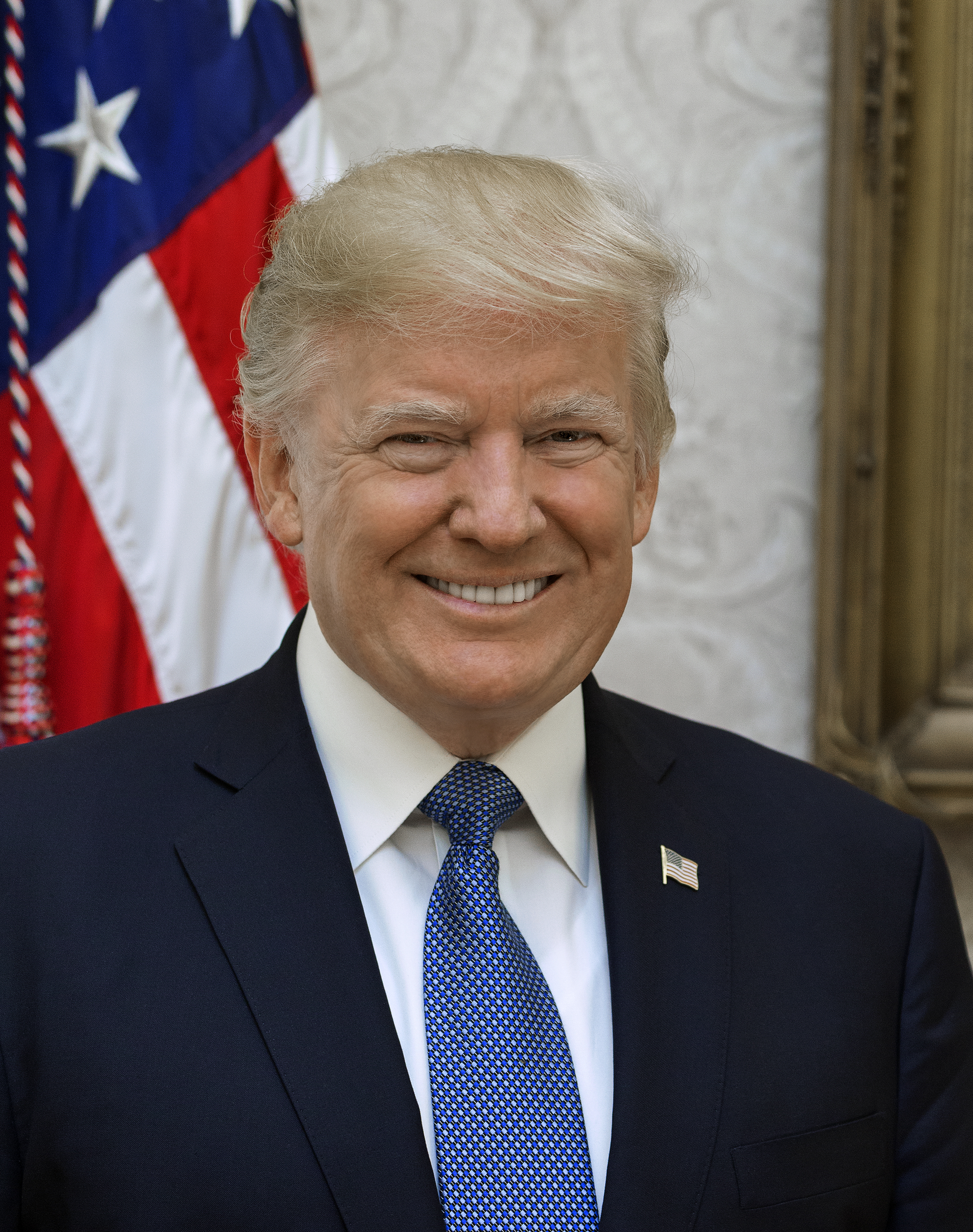
President Donald Trump offered a series of conflicting signals about Iran on the eve of the US midterm elections. Asked whether he was considering strikes after the vote, he answered “no,” according to Reuters. He said a deal with Tehran “could happen,” and claimed Iran had asked the United States to stop killing its leaders. Yet US officials confirmed new strikes on Qeshm Island, and the Washington Post reported earlier undisclosed attacks in recent weeks.
The administration describes the Qeshm action as limited and defensive. Trump’s remarks, meanwhile, suggest he wants to avoid a wider campaign—or at least avoid committing publicly to one before voters go to the polls. That distinction may matter to markets, allies and Iran, but it leaves the public trying to reconcile a promise of restraint with ongoing military activity.
What did Trump actually promise?
Trump’s “no” was an answer to a question about whether he was considering attacks after the midterms. It is not a formal ceasefire agreement, nor does it explain what the administration would do if US forces or shipping were attacked. His claim that Iran asked him to stop targeting leaders is also a statement by Trump, not a publicly documented Iranian request.
He has repeatedly framed the conflict as close to an end while preserving the possibility of future action. That ambiguity can serve diplomatic leverage, but it can also make it harder for other governments to know whether Washington is signalling a genuine pause or buying time.
The Vietnam comparison
Some social posts say Trump does not want the current war to become another Vietnam. We could not verify that as a new statement from the Nov. 2 remarks. Earlier coverage in March reported Trump saying he was “not afraid” of the Iran conflict becoming another Vietnam, a materially different formulation. The distinction is important: a paraphrase can reverse a leader’s meaning.
There are real reasons the comparison arises—long duration, uncertain objectives, escalation risks and domestic opposition—but Iran is not Vietnam, and analogies can obscure the specific military and political conditions of this war.
The most consequential detail may be the gap between leaders’ public language and operational realities. Trump can say he sees no reason to launch a fresh campaign while the Pentagon maintains forces, carries out limited actions and prepares contingency options. That is not necessarily a contradiction in military planning, but it complicates diplomacy: Iranian officials must decide whether a public assurance is credible when the actual posture remains capable of escalation.
Trump’s remark about the leaders also leaves unanswered what a pause would mean in practice. Would Washington suspend targeting only senior officials, halt all strikes, or refrain from attacks while negotiations proceed? Iran has not published a matching statement or acknowledged making the request. Publicly describing a private exchange without Tehran’s confirmation may be aimed at showing that the United States is in a position of strength. It may also complicate negotiations if Iranian officials feel pressured to respond to a claim they reject.
Will Trump’s answer translate into a durable halt, or could Washington resume force under a different justification? Can Iran trust a promise when strikes continue? And should voters treat a president’s election-eve assurance as a policy commitment or as a statement shaped by the ballot box?