Trump Says Putin and Zelensky Could Meet ‘Very Soon’—But Is a Peace Deal Any Closer?
Trump says a meeting involving the Russian and Ukrainian presidents may be arranged soon, but no date, venue or agreed agenda has been announced.
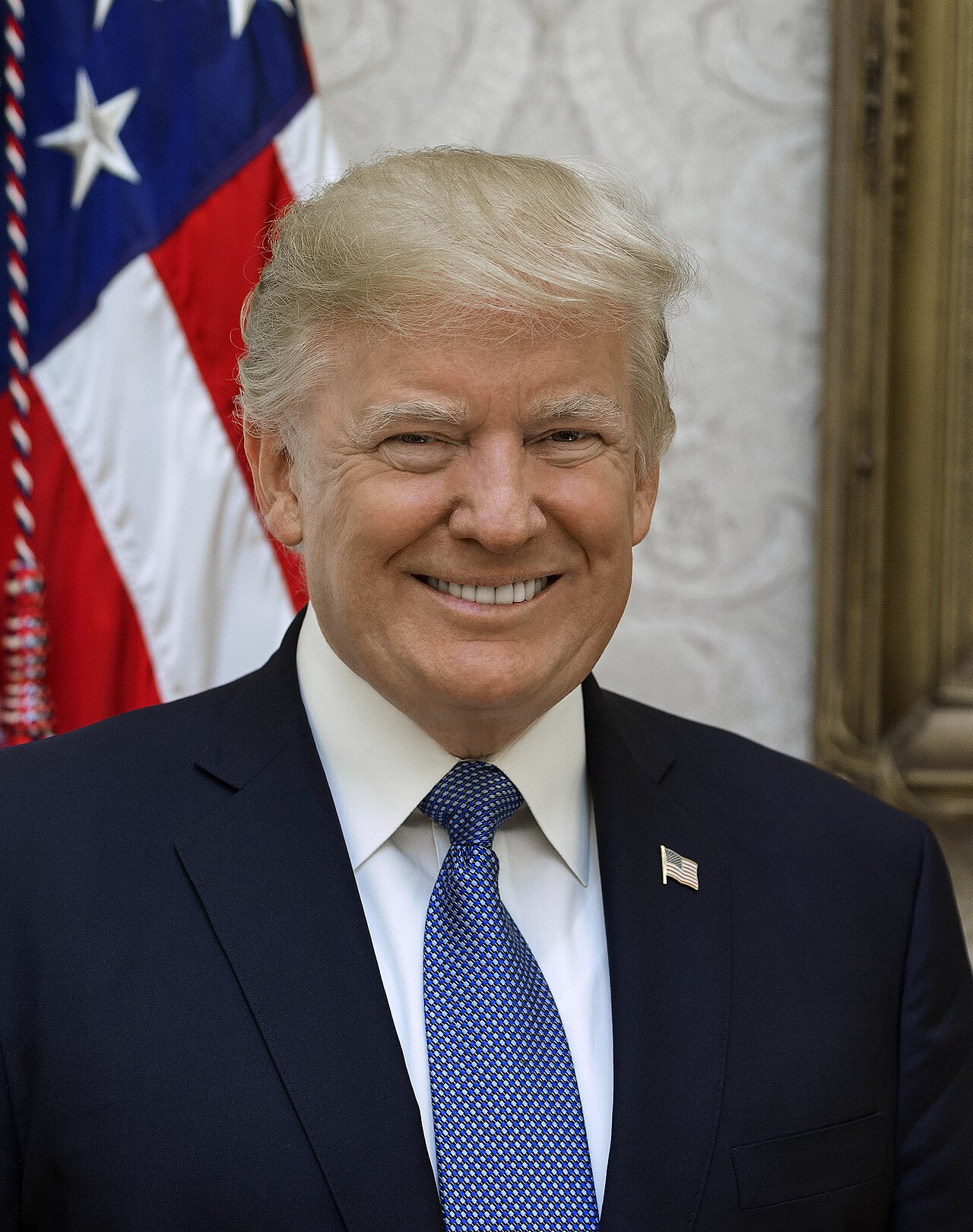
Donald Trump says a meeting involving Vladimir Putin and Volodymyr Zelensky could be arranged “very soon.” The phrase has the power to move headlines because a face-to-face encounter between the Russian and Ukrainian leaders would be a major diplomatic event. But as of Wednesday, Trump had not provided a date, venue or confirmed format, and neither side had publicly agreed to the proposed meeting. A signal of intent is not yet a negotiation, much less a peace deal.
What Trump said—and what he did not say
Asked about a meeting, Trump said he expected one to be arranged soon and pointed to what he described as progress in efforts to end the war. He did not specify whether the leaders would meet together with him, whether the encounter would be in person, or what topics would be on the agenda. Reporting by AP and RFE/RL similarly described the possibility as an expectation rather than a scheduled summit.
That distinction is important because diplomatic language often serves several audiences at once. It can reassure voters, signal pressure to the parties and create momentum for officials working behind the scenes. It can also exaggerate progress if the underlying positions have not moved.
The unresolved issues
Ukraine wants a settlement that protects its sovereignty and prevents another invasion. Russia has demanded terms tied to territory and Ukraine’s security alignment that Kyiv has rejected. Even if the leaders agree to meet, the hardest questions remain: where any ceasefire line would be, who would monitor it, what security guarantees Ukraine would receive, and what would happen if either side violated the agreement.
A summit can be useful if it is prepared by negotiators and produces a process with enforceable steps. It can be largely symbolic if the parties use the occasion to restate incompatible positions. The presence of cameras does not resolve questions of verification, sanctions, territorial control or military aid.
What each side may gain
For Trump, a summit would demonstrate that Washington can bring the adversaries to a table. Putin may value direct access to a US president and the possibility of changing the terms of Western engagement. Zelensky may see a chance to insist that Ukraine remain a principal in decisions about Ukraine, rather than being discussed in a US-Russia arrangement.
Yet the leverage is asymmetric. Russia continues to occupy Ukrainian territory and can use military pressure to shape diplomacy. Ukraine depends heavily on external military and economic support. A rushed meeting could therefore create pressure for Kyiv to accept a proposal without reciprocal Russian commitments. Conversely, refusing a meeting could allow Moscow to portray Ukraine as the obstacle to peace. The choice is not simple, and no public statement yet shows how these risks would be managed.
What would count as real progress?
Look for confirmation from Moscow and Kyiv, a named venue and date, preparation by senior envoys, and agreement on what the meeting is supposed to accomplish. A signed ceasefire would need monitoring arrangements, a chain for reporting violations and consequences for breaches. A wider settlement would require difficult decisions on territory, displaced people, prisoners, sanctions and long-term security.
For now, the verified development is Trump’s public expectation. The meeting remains unscheduled in public reporting, and acceptance by both presidents is not established. Is “very soon” a genuine diplomatic opening, a negotiating tactic, or a way to create an impression of momentum? The answer will depend less on the next headline than on whether the parties accept terms that can be checked and enforced.
The wider question
There is also a question of who would be represented at any talks. Ukraine’s constitution, public opinion and parliament all affect what Kyiv can accept; a US president cannot commit Ukraine to a settlement. Russia’s system centralizes decision-making around Putin, but even a presidential commitment would need to translate into military orders and verifiable conduct. European governments may be asked to guarantee security or fund reconstruction, so excluding them could leave an agreement without essential backing. These institutional constraints are often missing from quick coverage of a possible summit. Before a meeting can deliver, diplomats need to agree not only who sits in the room but who can implement the promises made there. A gathering without that preparation may produce a headline and little change at the front.