JD Vance’s Iran Outreach: Peace Probe or Humanitarian Offer? Trump and the WSJ Describe Different Missions
The Wall Street Journal says Vance wrote to Iranian hard-liner Mohsen Rezaei to explore restarting talks. Trump says the outreach was only permission to offer humanitarian supplies.
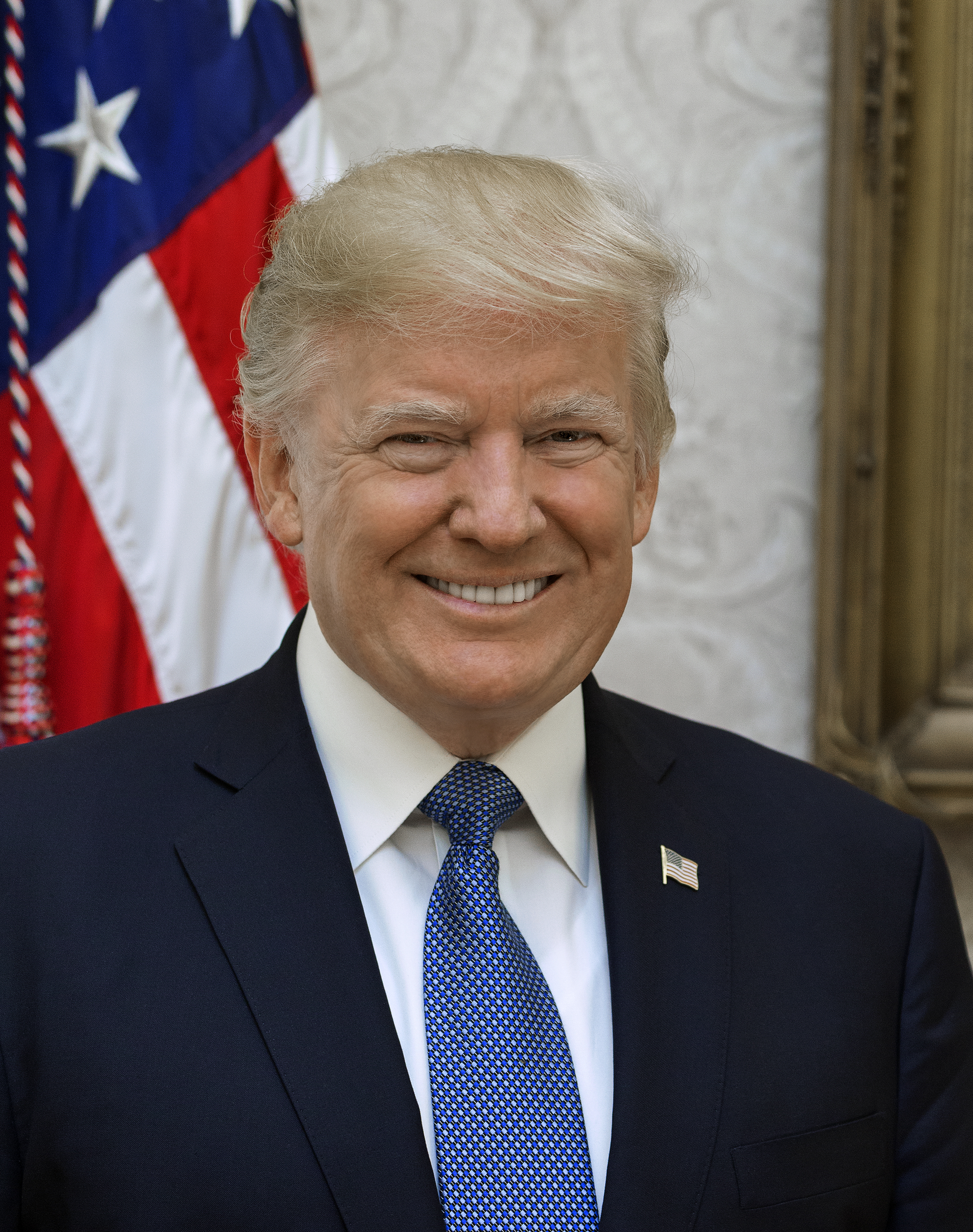
US Vice President JD Vance has reached out to one of Iran’s most powerful hard-liners in a move that may test whether diplomacy can resume before the Trump administration considers new strikes. The Wall Street Journal reports Vance sent a letter to Mohsen Rezaei, a former Islamic Revolutionary Guard Corps commander, exploring a framework for renewed talks. President Donald Trump offers a different account: he says Vance was authorized to offer humanitarian supplies, not to revive negotiations. The discrepancy is central to the story.
What the reports say
The Journal’s report says Vance sent the letter at Trump’s direction to gauge Rezaei’s interest in a return to diplomacy. It did not describe a detailed US proposal or a formal negotiating invitation. The outreach comes after earlier negotiations collapsed over disputes including shipping through the Strait of Hormuz and the sequencing of nuclear concessions and sanctions relief.
Trump told reporters that Vance contacted Iranian officials with permission to offer humanitarian aid. Asked whether he had tasked Vance with restarting talks, Trump said no. The letter itself has not been published, and neither side has released a complete account of the communication. For now, readers have a reported private diplomatic probe and a public presidential denial of its stated purpose.
Why contact a hard-liner?
Rezaei has held senior political and military roles and is known for forceful rhetoric toward the United States and Israel. Contacting him could indicate that Washington is testing whether a figure with influence inside Iran can deliver a message or open a channel. It could also bypass Iran’s foreign ministry and complicate the authority of more conventional diplomats.
A hard-line interlocutor may be able to sell a compromise to some constituencies—or may use talks to demand concessions while continuing to reject US conditions. The choice of contact does not prove that Rezaei can speak for Iran’s leadership. Iran’s political system contains competing institutions and power centers; any agreement would require approval from people beyond one former commander.
The bargaining gap
Washington has pressed Iran to make early nuclear concessions and reduce threats to shipping. Tehran has demanded economic relief and has said it will not negotiate under threats. The two sides disagree not only on terms but on order: the US wants steps before easing pressure; Iran wants pressure reduced before negotiations begin.
That gap is difficult to bridge while military warnings continue. The White House has discussed possible strikes after the US midterms, and Iran has said it is prepared to defend itself. A humanitarian offer could create a narrow area of cooperation or serve as a channel for broader messages. It could also be a public-relations move that changes little about the strategic dispute.
Vance has previously been described as skeptical of a prolonged war. His role may reflect a desire to prevent escalation, but that reading should not be treated as confirmed motive. A vice president can carry messages while the president retains military options; diplomacy and preparation for force often proceed at the same time.
What to watch
The most useful evidence would be confirmation from Iran, publication or description of the letter’s terms, a named channel for negotiations, and a response to humanitarian assistance. Also watch whether the US changes its demands or whether Iran accepts direct talks without requiring sanctions relief first.
Is Vance opening a real negotiating door, or is the administration using a humanitarian channel to keep communication alive while preparing for possible strikes? Until both governments confirm the purpose and next steps, the answer remains unresolved.
The wider question
The humanitarian component is itself not politically neutral. If Iran accepts supplies, it may create a narrow channel for practical cooperation and reduce suffering, but Tehran may also view aid as a way for Washington to claim goodwill while maintaining sanctions and military threats. The US can argue that humanitarian goods are exempt from some restrictions; Iranian officials may counter that financial barriers still impede delivery. Verifying the offer’s actual contents and route will show whether it is meaningful or symbolic. Any humanitarian channel should be insulated from military bargaining and reach civilians through accountable organizations. That would be a concrete outcome even if broader nuclear negotiations remain stalled.