US Warns Gulf Allies to Prepare for Possible Iran Strikes After the Election—Has Trump Already Decided?
US officials have privately warned regional partners to prepare for possible strikes and Iranian retaliation after November 3. Diplomats say Trump has made no final decision.
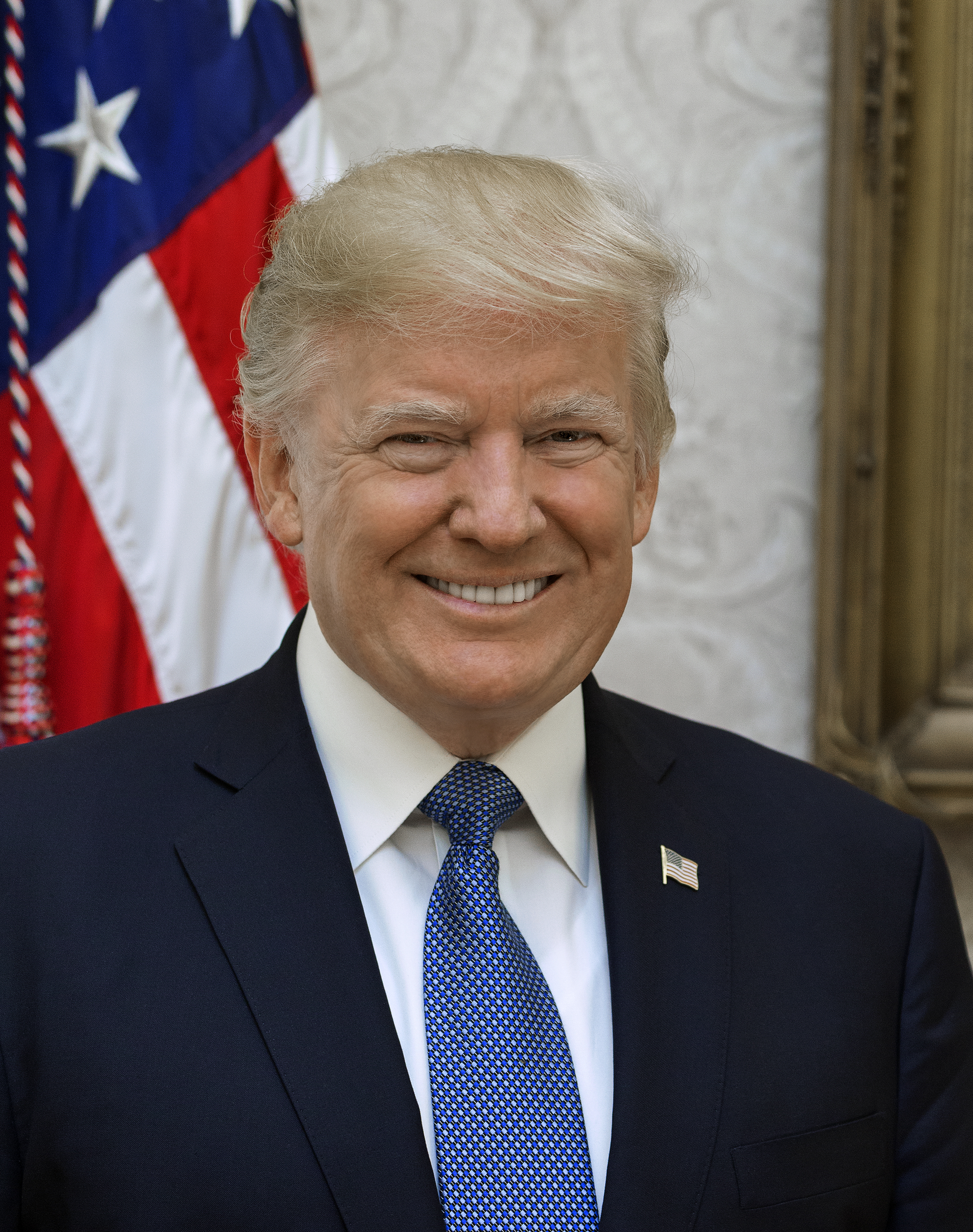
US officials have privately told several Middle Eastern governments to prepare for possible renewed strikes on Iran after the November 3 midterm elections—and to prepare for Iranian retaliation against energy facilities and other critical infrastructure. The Associated Press cited two diplomats briefed on the warnings. The same sources stressed that President Donald Trump has not made a final decision. The distinction matters: contingency planning is real, but a strike order has not been confirmed.
What regional partners were reportedly told
The warnings reportedly included the possibility that US strikes could last several days and that Iran might respond against Gulf states, energy assets or other infrastructure. Washington has deployed additional forces to the region, including naval assets and thousands of personnel. That presence can deter attacks, support allies and create options for military action. It also increases the consequences of a miscalculation. The administration has said it is weighing its choices, while Tehran has threatened a stronger response if attacked again.
The timing after the election has sharpened political speculation. Critics may argue that waiting until after voters go to the polls would reduce domestic political costs. Officials could instead say the timing reflects military readiness, diplomacy or the desire to avoid an immediate escalation. The reporting does not establish the president's motive.
Gulf states face a difficult position
Countries hosting US forces could become targets even if they do not participate in an operation. They also have economic reasons to avoid disruption: attacks on ports, refineries or shipping lanes could raise energy costs and destabilize the region. Some governments have urged political solutions and continued mediation. Their private security preparations do not necessarily mean they support a US strike.
The war has already affected oil prices, shipping and regional security. Any renewed operation could widen the conflict to include Iranian-aligned groups, shipping routes and critical infrastructure. US officials have also discussed diplomatic options through Qatar. That parallel track suggests the administration is preserving choices, not necessarily that diplomacy has failed.
What would confirm a decision?
A private warning is a significant signal, but not proof of an imminent attack. Evidence of a decision might include an official order, public announcement, major operational shifts or a clear evacuation directive. Even then, the details could remain classified. Congress and the public would need answers on legal authority, objectives, civilian risks and what conditions would end the operation.
Is Washington trying to deter Iran, prepare allies for a real strike, or use the threat to improve its bargaining position? Could Gulf governments prevent escalation while hosting US forces? Until Trump makes a decision, the most accurate reading is stark but limited: allies have reportedly been warned, the risk is real, and the choice remains unresolved.
What Gulf governments are likely weighing
Regional leaders have to plan for the possibility that infrastructure, ports or airspace could be affected, even if they oppose an attack. Preparedness can include civil defense, energy redundancy and diplomatic contact with Tehran. It does not necessarily mean they have agreed to let their territory be used in combat. The distinction between defense and participation can determine whether Iran views a country as a target.
The US would also need to explain how a military campaign could avoid a long, costly exchange. Previous operations have shown that strikes can trigger retaliation without changing the underlying political dispute. What would count as success: reopening Hormuz, limiting nuclear activity, deterring attacks or changing Iran's leadership? If officials cannot answer that publicly, Gulf allies may be reluctant to support a plan whose risks they will share.