A Patriot System Is Heading Toward Israel as Netanyahu Faces an Uncertain Election—What Is Washington Preparing For?
The Wall Street Journal reports a US Patriot system is moving from Texas to Israel amid Iran-war preparations. Israel’s vote count remains incomplete, with neither bloc yet at 61 seats.
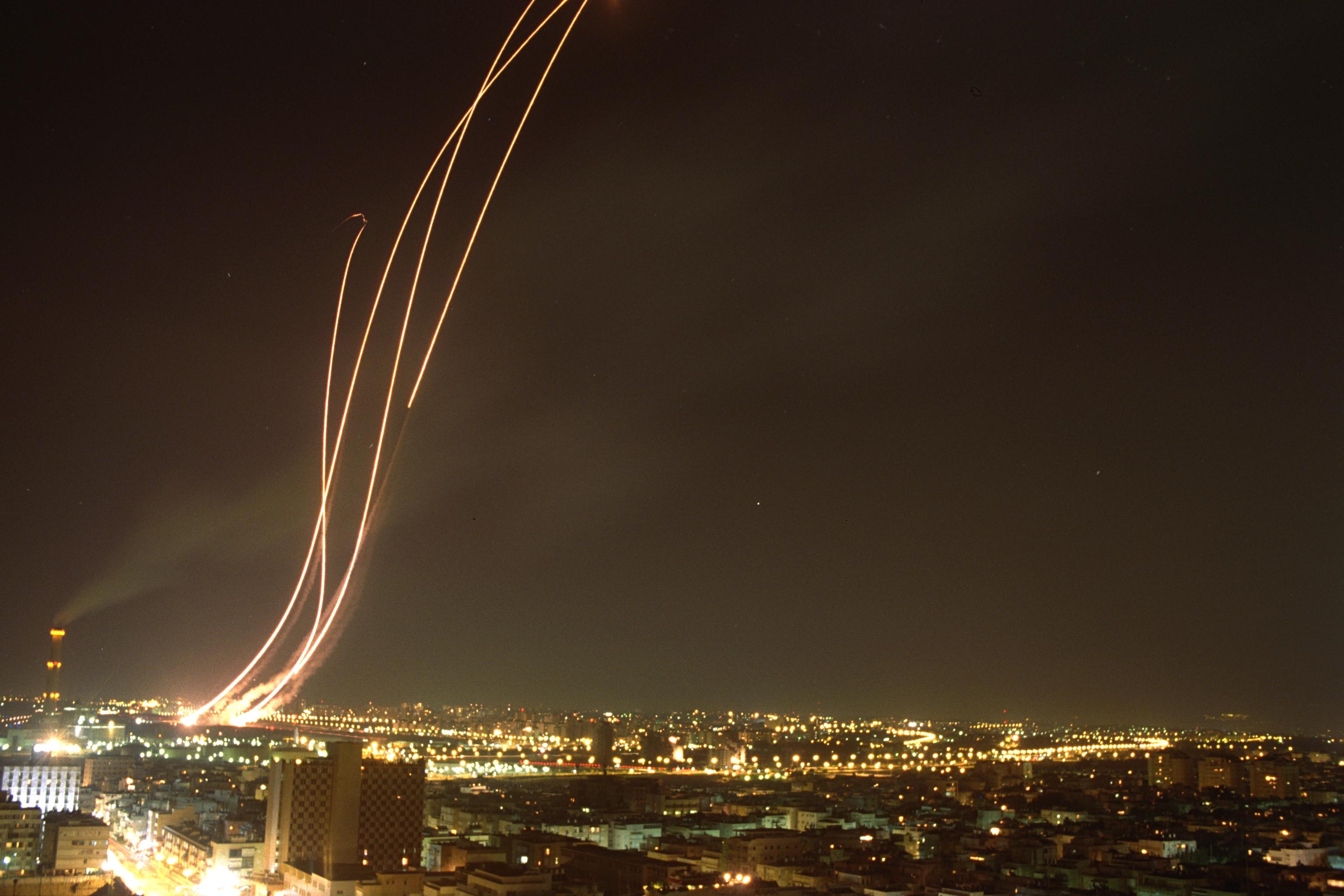
A US Patriot air-defense system is reportedly being moved from Texas to Israel as Washington and its partners prepare for the possibility of renewed combat with Iran. The transfer, reported by The Wall Street Journal using flight-tracking data and officials familiar with the movement, comes as US officials have warned Gulf states of a possible post-midterm campaign. At the same time, Israel is counting votes in an election that Gadi Eisenkot says showed the public wants Benjamin Netanyahu out. Early results give Netanyahu’s Likud the lead—but not yet a clear path to govern.
What the Patriot report says
The Wall Street Journal reported that the US military is sending an additional Patriot system to strengthen Israeli missile defenses. It also described US personnel moving away from vulnerable bases, munitions being replenished and aircraft being prepared. The White House said it would not comment on “sensitive military plans that may or may not exist,” while stating that Trump keeps options open to prevent Iran from obtaining a nuclear weapon.
A defensive deployment can protect personnel and infrastructure if attacks resume. It may also signal that Washington is taking escalation seriously. But it does not prove that Trump has decided to launch strikes. The report itself says the president has not made a final decision. This distinction matters: military readiness can be a hedge, a deterrent, or preparation for an operation. Public evidence does not yet establish which explanation will prevail.
Israel’s election: who has legitimacy?
Eisenkot, leader of the Yashar party, said the public voted against Netanyahu continuing as prime minister. He spoke while exit polls and early results suggested the opposition bloc could gain ground. But the official count remained incomplete on Wednesday. Likud was the largest party, while projections showed Netanyahu’s bloc and the opposition short of the 61 seats needed for a parliamentary majority. The final count and coalition negotiations will determine who can form a government.
Eisenkot’s claim is a political interpretation of the vote, not the formal outcome. Netanyahu can remain prime minister temporarily while the process unfolds, and a party’s seat lead does not automatically decide who forms the coalition. Israel’s president gives a mandate to the candidate most likely to secure parliamentary support. Smaller parties and possible alliances could be decisive.
This is why “Netanyahu keeps winning” is an incomplete description. Likud may again be the largest party, but the governing question is whether Netanyahu can assemble a majority and whether rival parties will cooperate. Conversely, a strong opposition performance does not itself mean a government change is assured.
The war and the vote intersect
The election took place after years of conflict and intense argument over security, the October 7 attacks, Gaza, hostages and the government’s conduct. Netanyahu’s supporters may credit his security posture or political resilience; critics may see continued instability and failures of accountability. Polling and vote totals reveal choices, but not a single national verdict on every policy.
A Patriot deployment may become part of this domestic argument. Supporters of a tougher line can present it as necessary protection; critics may argue that military preparations increase the risk of another cycle of retaliation. Both positions depend on what Iran does and what Washington decides next.
What to watch
Watch the official Israeli count, coalition negotiations, any public confirmation of the Patriot deployment, and whether Washington specifies the scope of its warning to Gulf partners. Also watch whether diplomatic channels with Tehran remain open. A defensive system moving to Israel is a significant reported development, but it is not evidence that an attack is inevitable. An exit poll is not a final result, and a leader’s declaration of a mandate is not the same as parliamentary confidence.
The key question is whether preparedness makes a wider war less likely by deterring attack—or makes escalation easier by lowering the perceived cost of acting. Current evidence cannot answer that yet.
The wider question
The timing links two stories but does not prove they are coordinated. Military planners may be responding to intelligence, force availability or a request for protection; Israeli parties may use security policy to argue over leadership. Voters can prefer a tougher military posture while rejecting the prime minister who directed it, or the reverse. The vote therefore cannot be reduced to a referendum on Iran. Nor can an air-defense deployment settle the legitimacy debate. If coalition arithmetic leaves Netanyahu with a narrow path to office, a rival may still be unable to form a government. The final official seat count, party recommendations to the president and coalition agreements will matter more than early declarations. The most careful conclusion is that Israel faces political uncertainty at the same moment that regional military risk is rising.