US Warns Gulf States of Possible Iran Strikes After Midterms—Is Trump Signalling a Decision or Raising Pressure?
The Wall Street Journal says Gulf governments were told to prepare for a short, intense campaign against Iran after November 3. The report relies on unnamed sources, and Trump has not announced a decision.
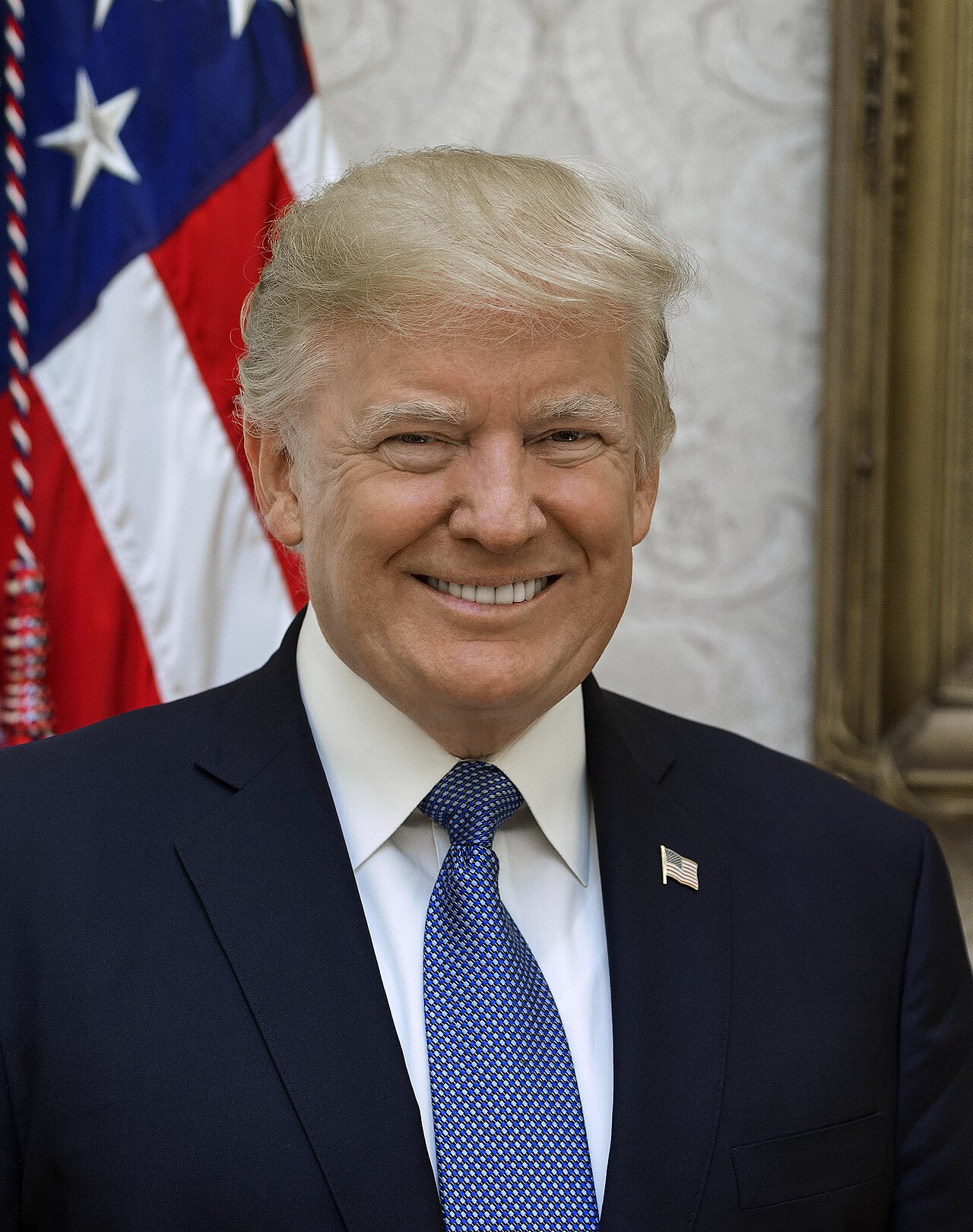
The United States has warned several Gulf governments to prepare for the possibility of a short, intense military campaign against Iran after the November 3 midterm elections, The Wall Street Journal reported, citing people briefed on the conversations. If accurate, the warning is among the clearest signs that Washington is preserving an option for renewed force. But the report does not establish that President Donald Trump has made a final decision to attack, and the White House has declined to comment on sensitive military plans.
What the report says
The Journal’s account describes diplomatic and military channels being used to alert Gulf states to a possible operation after the election. It also reports movement of a Patriot air-defense system from Texas, relocation of some personnel away from vulnerable bases and replenishment of munitions. The administration’s public position is that Trump keeps options open to ensure Iran does not obtain a nuclear weapon. Trump has also said he would not attack Iran before the midterms.
The reporting relies on unnamed sources briefed on the discussions. That is common in national security coverage, where officials may not be authorized to speak publicly, but it limits what readers can independently verify. The identities of the Gulf states, the exact wording of the warning and the specific targets or conditions for action have not been made public.
Why tell Gulf governments?
A military operation involving US forces could expose bases, shipping and energy infrastructure across the Gulf to Iranian retaliation. Informing regional partners could allow them to prepare defenses, coordinate airspace and avoid misreading troop movements. It may also be an effort to pressure Tehran by making the threat more credible.
Gulf governments have their own interests. Many want to avoid a wider conflict that could disrupt oil exports, ports and domestic stability. Their security relationships with Washington do not mean they automatically support another war. They may use diplomatic channels to warn against escalation or seek assurances that their territory will not be used for offensive operations.
What remains uncertain
A warning is not an order, and preparations can serve deterrence as well as combat planning. A Patriot deployment is defensive equipment; it can protect against incoming missiles but does not itself prove that a strike is imminent. The administration may be building leverage in negotiations, preparing a contingency, or signaling resolve to domestic and foreign audiences. These possibilities can coexist.
The strategic question is also contested. US and Israeli officials may argue that renewed strikes would weaken Iran’s military capacity and improve negotiating leverage. Critics—including some former Israeli intelligence officials quoted in recent reporting—warn that bombing could harden Tehran’s position, strengthen its missile program or increase regional instability without changing the government. Neither argument is a verified forecast.
Iran’s leaders may interpret visible preparations as a threat regardless of Washington’s stated intent. That can create a security dilemma: defensive moves by one side appear offensive to another, prompting countermeasures that make conflict more likely.
What to watch
Look for direct confirmation from the White House or named Gulf governments, changes to force posture, new maritime or aviation advisories, and evidence that diplomatic contacts have paused or accelerated. Also watch whether Trump’s public statements shift after the election. Without those signals, claims that an attack is certain go beyond the available evidence.
The most consequential question may be whether the warning opens a channel for de-escalation or narrows the space for compromise. If Washington intends to use force to compel negotiations, what outcome would count as success—and what would prevent a limited operation from becoming a wider war?
The wider question
For Iran, the threat may strengthen domestic voices that argue Washington is negotiating in bad faith. Iranian officials can present military preparations as proof that concessions will not buy security. That can make a diplomatic compromise harder to sell inside Tehran, especially if leaders believe an agreement could be followed by another strike. At the same time, Iran’s own attacks or threats against shipping and US forces can reinforce arguments in Washington for a military response. Each side’s actions are thus used to justify the other’s next move. Gulf states face the immediate spillover: missile defense, oil infrastructure risk, insurance costs and potential pressure to permit or deny military access. A campaign described as short by planners could still trigger a long regional response. How would Washington define its stopping point before it begins?