Did America Burn 19 Years of Patriot Missiles in Seven Months?
A viral calculation compares an estimated 1,800 Patriot firings in the Iran war with 1,795 US Army deliveries over 225 months. It is alarming—but not a complete stockpile audit.
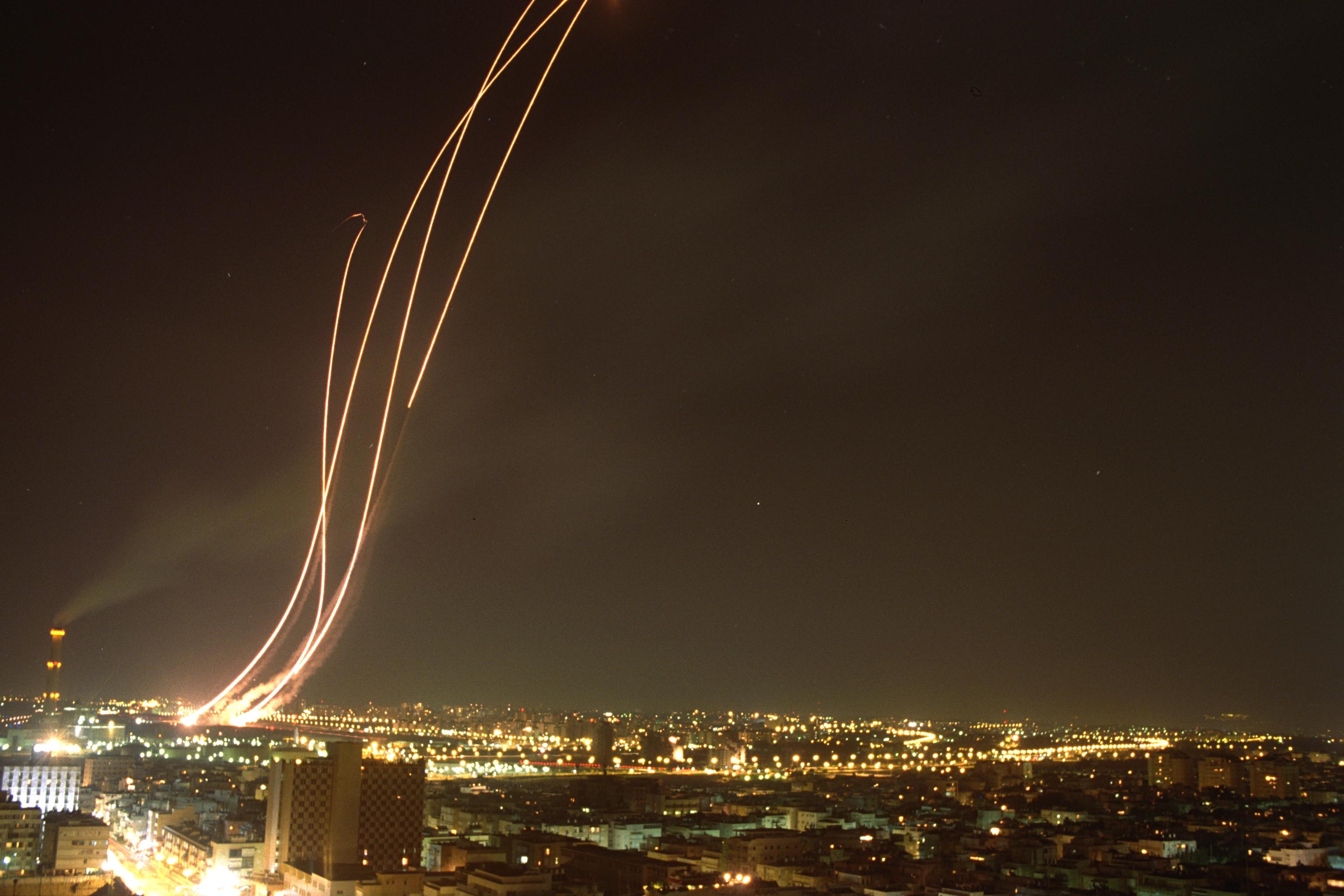
The claim sounds almost impossible: the United States used 19 years of Patriot missiles in seven months against Iran. The arithmetic behind it is real enough to demand attention, but the slogan collapses production, deliveries, variants, allies and total inventory into a single dramatic comparison.
What happened
An independent analysis estimated about 1,800 Patriot interceptors were fired between February 28 and September 30, 2026. It compared that with 1,795 interceptors delivered to the US Army during the 225 months from September 2001 through May 2020—approximately 18.75 years.
Separate reporting describes US missile-defense stocks as severely strained and notes heavy Patriot and THAAD expenditure. The Pentagon disputes some public depletion accounts and has not published a complete, current inventory or confirmed the estimate of 1,800 Patriot launches.
Why it matters
Patriot is a family of interceptors, not one interchangeable missile. PAC-2 and PAC-3 variants perform different missions, allies own stocks, contracts overlap and deliveries in a historical period do not equal total production or current inventory. Several interceptors may be fired at one incoming ballistic missile to increase the probability of a kill.
Production can rise, but factories, motors, seekers and testing capacity take time.
The comparison is useful as a rate warning. A modern missile campaign can consume in months what peacetime procurement supplied over many years. It is not proof the United States has zero Patriots left or that exactly 19 years of today’s stockpile disappeared.
The policy question is whether defensive doctrine is economically sustainable when inexpensive or abundant threats provoke million-dollar interceptors. Better discrimination, cheaper counter-drone systems, hardened bases and larger magazines all matter.
Verification and competing accounts
The 19-year figure is an independent calculation: roughly 1,800 estimated firings compared with 1,795 US Army deliveries from September 2001 to May 2020. It is not a Pentagon statement that every usable Patriot missile was exhausted. Sources consulted for this report include Stephen Semler’s Polygraph analysis, US Army historical contracting data, Congressional Budget Office context, Associated Press, The Atlantic, Pentagon statements. Claims by governments, militaries, activists and anonymous officials remain attributed unless independently established.
Publish the figure as a calculation with its numerator and denominator, not as an official stockpile revelation. Unknown classified holdings, allied contributions, destroyed missiles and different variants prevent a clean one-for-one conclusion.
Reading the signal
Fast-moving stories reward certainty before the evidence deserves it. The sound method is to separate what happened, what an interested party says happened and what commentators infer from it. An official statement proves that an institution took a position; it does not automatically validate every operational detail inside that statement.
The strongest confirmation normally comes later through records, named witnesses, imagery, technical data, court filings or accounts from sources with different incentives. Until those checks converge, terms such as “reported,” “claimed,” “preliminary” and “unverified” are not evasions. They tell readers exactly how much weight a detail can carry.
Scale matters as much as authenticity. A dramatic image, threat or local advance may be genuine without changing the wider balance. Strategic effects require persistence: repeated attacks, measurable supply disruption, durable territorial control, implemented policy or behavior altered by the development.
Every actor also has a communications objective. Governments seek confidence and deterrence, armed groups seek momentum, political movements seek legitimacy and commercial players seek favorable expectations. Motive alone does not disprove a claim, but it explains why independent corroboration matters.
The evidence can strengthen or weaken quickly. Responsible coverage therefore preserves the verified core, labels the contested perimeter and states what would change the assessment. That approach is less theatrical than a viral post, but it is far more useful when readers are making judgments about war, public safety or markets.
Fast-moving stories reward certainty before the evidence deserves it. The sound method is to separate what happened, what an interested party says happened and what commentators infer from it. An official statement proves that an institution took a position; it does not automatically validate every operational detail inside that statement.
What to watch next
Watch Pentagon budget requests, Lockheed Martin production targets, emergency allied transfers and changes in firing doctrine. A credible assessment needs confirmed launches by interceptor type and annual replenishment—not only a viral ratio.