Wuhan’s Former Mayor Gets 14 Years for Bribery
A Chinese court sentenced former Wuhan mayor Zhou Xianwang to 14 years for accepting roughly $9 million in bribes over more than two decades.
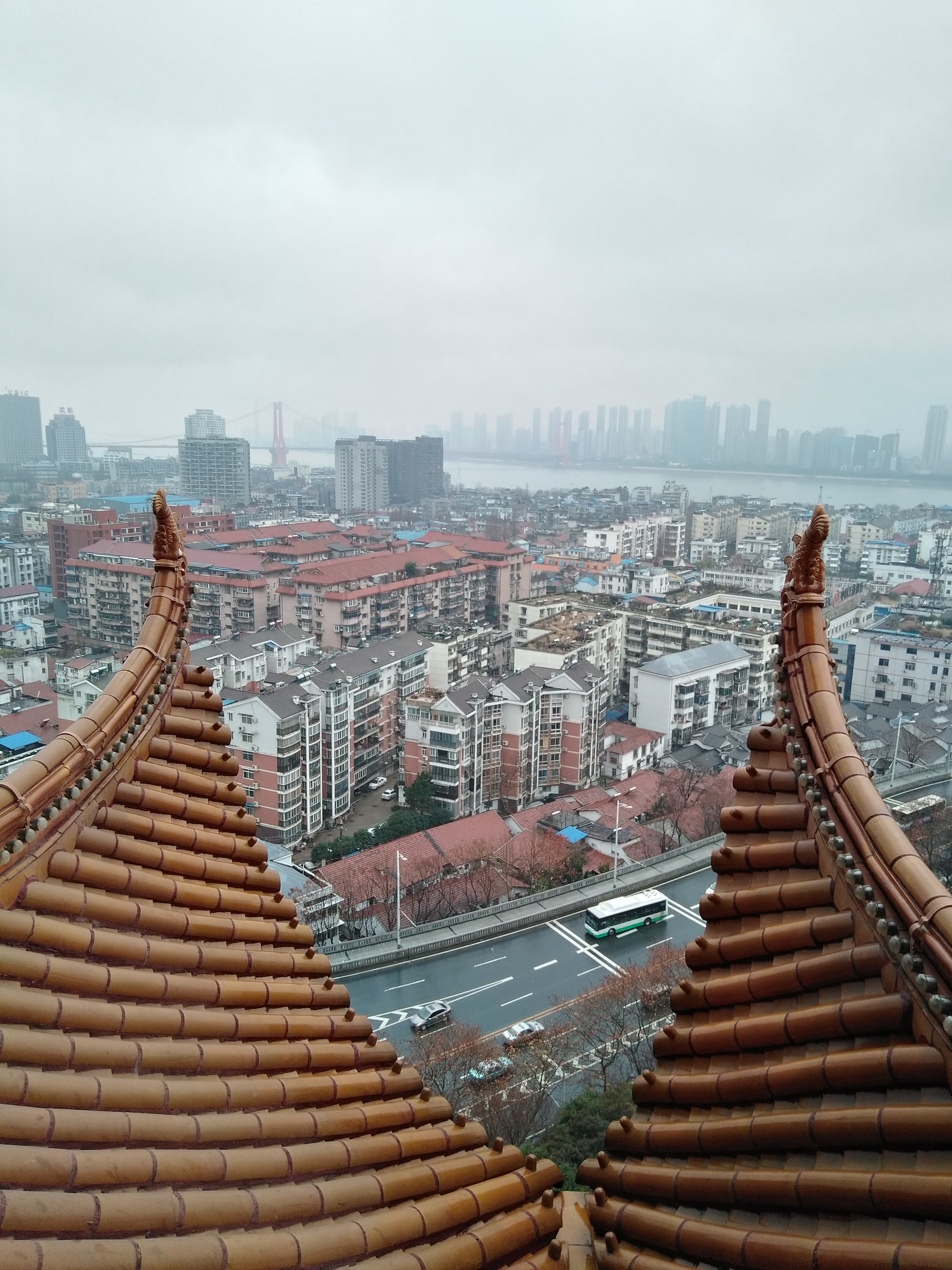
Zhou Xianwang, the former mayor of Wuhan during the opening phase of COVID-19, has been sentenced to 14 years in prison for bribery. The association with Wuhan’s pandemic history guarantees attention, but the court case concerned more than 60.5 million yuan—about $9 million—in alleged corrupt payments accumulated from 2003 to 2025.
What happened
The Shangqiu Intermediate People’s Court said Zhou used official positions to benefit others in business operations and administrative approvals. It imposed a 5 million yuan fine and ordered recovery of illicit gains. The sentence was reduced because Zhou confessed, assisted investigators and helped authorities recover most of the money.
Zhou previously faced criticism over delayed public warnings during the early coronavirus outbreak. The judgment did not charge him over censorship, disease reporting or the Wuhan lockdown.
Why it matters
Xi Jinping’s anti-corruption campaign has punished officials at every level, from local administrators to senior military and party figures. Supporters say it attacks entrenched bribery and restores discipline. Critics argue enforcement is selective, opaque and useful for removing political rivals. Both functions can coexist.
A guilty verdict in China’s party-controlled legal system does not offer the same adversarial process expected in independent courts. That does not mean the evidence is false, but transparency about evidence and plea conditions matters.
The long period of offending suggests corruption was embedded across multiple posts rather than limited to Wuhan. Administrative approvals create opportunities for officials to trade access, permits and favorable decisions for money. Recovering funds and punishing individuals does not automatically change those incentives.
International audiences may interpret the sentence as delayed accountability for COVID. That would be inaccurate unless authorities release a separate investigation. Conflating the issues obscures both the corruption case and unanswered pandemic questions.
How to read the signal
The first test for “Wuhan’s Former Mayor Gets 14 Years for Bribery” is to separate the event from the story being built around it. An impact, launch, arrest, price move or official statement can be real while the claimed motive and strategic meaning remain uncertain. That distinction is especially important when governments and online factions are competing to define the same event.
The second test is incentives. Officials disclose facts to inform the public, but also to deter enemies, reassure markets, justify policy and influence allies. Opposition figures and armed groups have their own reasons to exaggerate success or conceal failure. Reliable analysis compares those claims with documents, imagery, tracking data, court records and multiple independent accounts.
Timing matters as much as sourcing. Initial reports privilege speed, often using preliminary numbers or incomplete operational accounts. Later evidence can revise casualties, identify weapons, clarify legal status or show that an announced agreement never took effect. Responsible reporting should preserve uncertainty rather than turn the first viral version into permanent history.
The practical consequences should be judged through observable behavior: aircraft routes, military deployments, sanctions licenses, court filings, prices, votes and verified attacks. These indicators reveal whether the headline marks a durable shift or only another negotiating signal. Rhetoric can move politics immediately, but implementation determines who actually gains leverage.
One final discipline is proportionality. A developing story may justify vigilance without proving the most explosive interpretation circulating online. The strongest conclusion is the narrowest one supported by the record, followed by a clear description of what evidence would confirm or disprove the larger claim. That approach keeps uncertainty visible without ignoring genuine danger.
Verification and competing accounts
The Shangqiu Intermediate People’s Court sentenced Zhou Xianwang to 14 years and fined him 5 million yuan after finding he accepted more than 60.5 million yuan in bribes. The court cited confession, cooperation and recovery of illicit gains. The case was not a judgment on Wuhan’s COVID response. Sources used for this report include Associated Press, Chinese court statement, Chinese anti-corruption authorities, public records on Wuhan governance. The article separates independently documented events from official attribution, anonymous-source reporting and political interpretation. Fast-moving casualty figures, market prices and military claims can change as authorities publish evidence or corrections.
The bribery total and mitigating factors come from the court’s statement. Independent access to the evidentiary record is limited. Zhou’s pandemic role is relevant biography but not part of the offenses described in the verdict.
What to watch next
Watch whether other Wuhan-era officials are investigated, whether the full judgment is published and whether implicated businesses face consequences. The deeper test is institutional reform, not another high-profile sentence.