Zelensky Says Ukraine Cannot Safely Vote During War: Necessary Reality—or a Path to Power Without Elections?
Volodymyr Zelensky says wartime elections remain legally and practically impossible, reviving a difficult debate over displaced voters, occupied territory and democratic legitimacy.
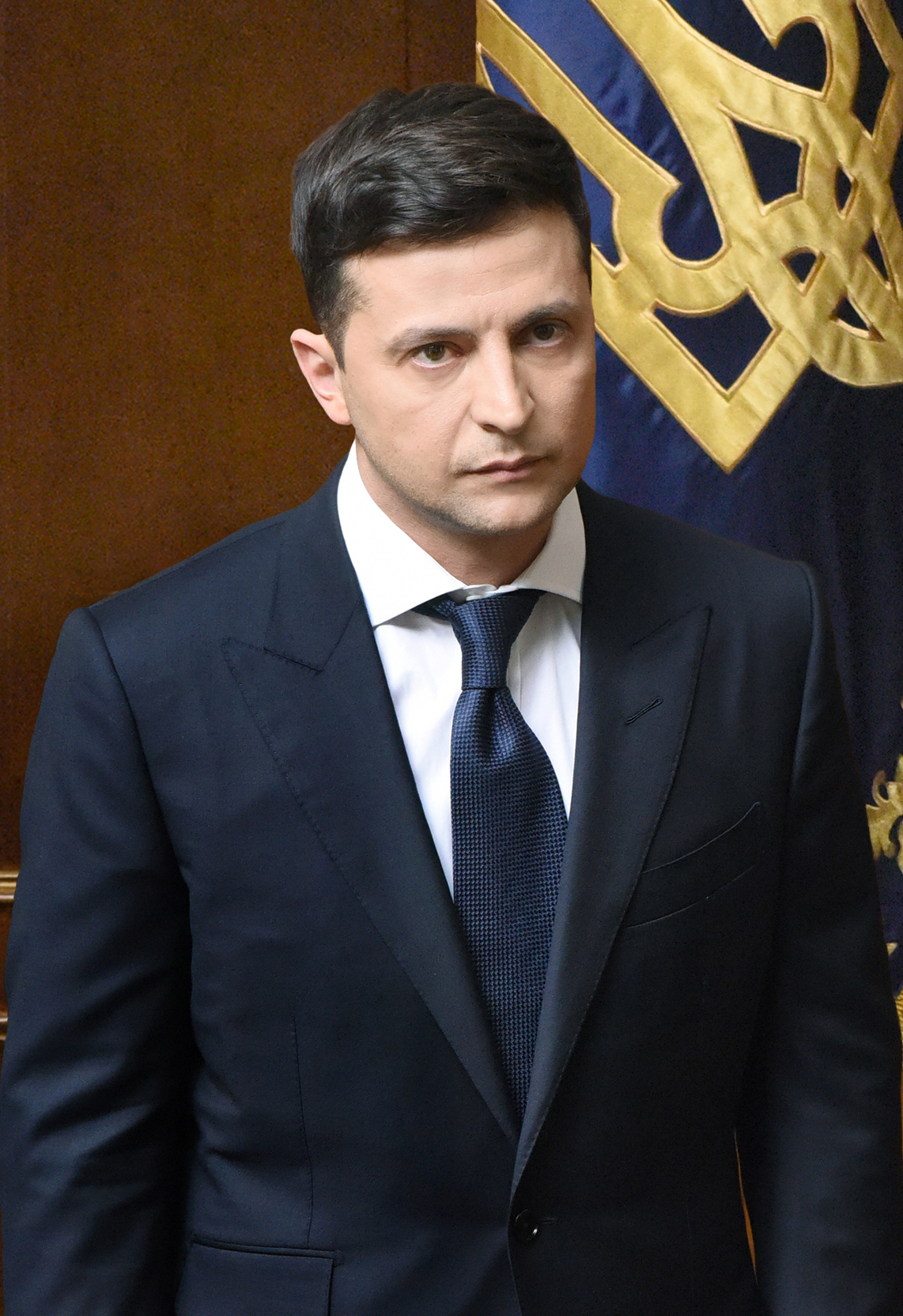
Ukraine's unresolved election question has returned with a politically explosive interpretation: that President Volodymyr Zelensky has found a formula for remaining in power indefinitely. The viral version says elections are impossible until roughly nine million Ukrainians return from abroad and Russia gives back Crimea and occupied parts of Donetsk—conditions critics believe may never be met.
The documented position is more complicated. Zelensky has said he would be prepared to hold elections, even describing himself as ready to do so 'tomorrow,' but only if the vote can be legal, secure and credible. He has pointed to Ukrainians living abroad, troops at the front, citizens under occupation, Russian attacks and the impossibility of running a normal national campaign while martial law remains in force.
That is not identical to saying Ukraine will never vote until every refugee returns and every occupied district is recovered. Kyiv has also discussed the possibility of elections during a sufficiently long, internationally guaranteed ceasefire. The distinction matters because one formulation describes a permanent territorial veto over Ukrainian democracy; the other describes temporary security and legal conditions that might be addressed through legislation, external voting arrangements and a pause in fighting.
Ukraine's election law does not permit presidential or parliamentary elections under martial law. Zelensky did not invent that restriction after his term approached its scheduled end. The constitutional system also preserves continuity of state authority rather than allowing the presidency to become vacant during an invasion. Supporters therefore argue that remaining in office is a legal consequence of war, not a personal cancellation of democracy.
Yet legality does not eliminate the political problem. The longer the war lasts, the further Ukraine moves from the electoral mandate issued in 2019. Opposition parties have reduced opportunities to campaign, national television has been consolidated into a wartime broadcast format, and millions of voters experience government decisions from the front, from displacement or from abroad. Emergency government can be lawful and still accumulate democratic risk.
The number of Ukrainians outside the country is itself difficult to translate into an electorate. Some are refugees, others were migrants before the invasion, some have returned, and some appear in more than one administrative dataset. A credible election would require updated voter rolls, large-scale voting at embassies or additional polling centers, secure postal or electronic alternatives, and agreement from host governments. None is impossible in isolation, but the combined task is enormous.
Voting by soldiers raises another challenge. Troops must be able to cast secret ballots without commanders influencing them, while candidates need some form of equal access to the electorate. A campaign in which the incumbent controls wartime communications and challengers cannot safely hold rallies would be criticized even if the ballot boxes were technically secure.
Occupied territories create the sharpest moral dilemma. Excluding citizens in Crimea, Donetsk, Luhansk, Zaporizhzhia and Kherson risks allowing Russia's occupation to erase their political voice. Attempting to organize voting there could expose residents to coercion or retaliation. Ukraine could permit displaced residents to vote elsewhere, but millions remaining under Russian control could not participate freely.
Security advocates also note that polling locations, election databases and counting centers would become attractive targets for Russian missiles, cyberattacks and disinformation. A deadly strike on election day could suppress turnout regionally and destroy trust in the result. Critics answer that an aggressor should not receive an indefinite power to suspend the victim's democracy simply by continuing the war.
Europe and the United States face an uncomfortable balance. Pressuring Kyiv into a rushed election could fracture wartime command and create an easily contested result. Avoiding the issue indefinitely could make Western claims about defending democratic values look selective. A credible middle course would require public conditions: what length of ceasefire is necessary, how displaced citizens will vote, how media access will be protected and when martial law restrictions will be reviewed.
The strongest criticism is not that Zelensky has already crowned himself president for life; the evidence does not establish that. It is that Ukraine still lacks a transparent, agreed roadmap from wartime continuity back to electoral competition. The strongest defense is that holding a nominal election that cannot be free, equal or safe may damage democracy more than postponement.
What to watch next
Will Kyiv publish concrete election conditions rather than open-ended obstacles? Can parliament and opposition parties agree on voting rules for soldiers and refugees? Would Russia respect a campaign ceasefire, and who would enforce it? Most importantly, at what point does necessary wartime continuity begin to look like a democratic exception without an exit?