Maduro’s Wife Is Denied Bail in New York
A US judge rejected Cilia Flores’s request for home confinement despite her cardiac complaints, citing strong evidence and serious flight-risk concerns.
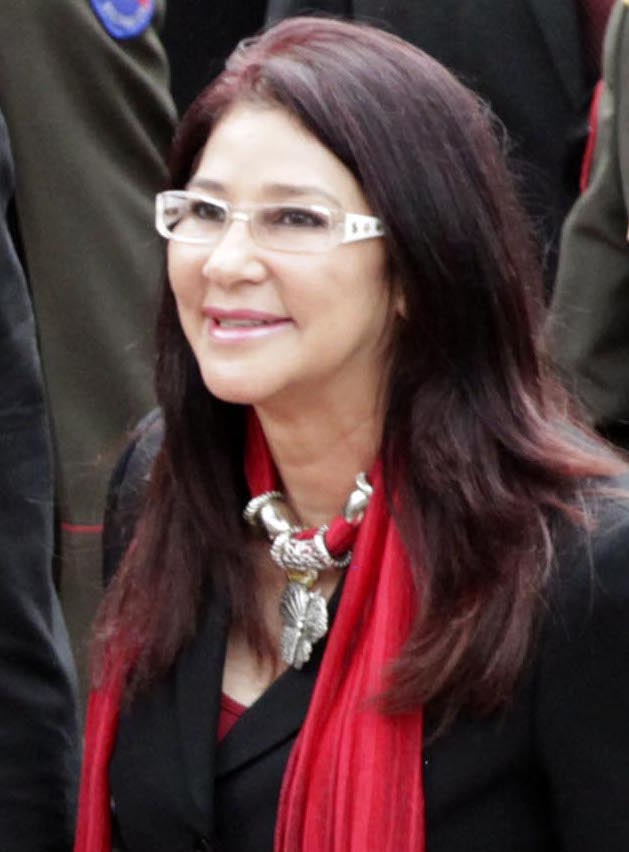
Cilia Flores, the wife of former Venezuelan president Nicolás Maduro, will remain in federal custody after a New York judge rejected her request for release to undergo a cardiac procedure. One widely circulated account named the judge as Henry J. Ricardo. The hearing was conducted by US District Judge Alvin Hellerstein.
Flores’s lawyers sought home confinement in the New York area with round-the-clock private security. They described chest pain, arrhythmia, breathing difficulty, major weight loss and the need for cardiac catheterization. They argued that detention conditions made recovery and treatment more difficult.
Hellerstein denied the motion. Reuters reported that he considered the evidence against Flores strong and said she appeared relatively healthy in court. Prosecutors argued that the detention center could provide adequate treatment and that release would create an extreme flight risk and danger of witness intimidation.
The legal backdrop became more serious the same day. Federal prosecutors added allegations that Maduro and Flores conspired to use torture against political opponents and US citizens. The superseding indictment describes electric shocks, beatings, sexual abuse, simulated drowning and threats against detainees’ families.
Those are prosecutors’ allegations, not judicial findings. Maduro and Flores previously pleaded not guilty to narcoterrorism and related charges and have challenged their capture and transfer to the United States. Their lawyers argue that the operation violated international law and that official acts may be protected by immunity.
The case is extraordinary because US forces captured the Venezuelan leadership in Caracas and brought them to New York. Supporters of the prosecution describe the operation as accountability for organized repression and drug trafficking. Critics call it an abduction and warn that a powerful country cannot simply seize foreign leaders without destabilizing international law.
Bail hearings do not decide guilt. The judge considers risk of flight, danger to the community, strength of evidence and whether conditions can reasonably assure appearance at trial. Flores’s access to resources and foreign networks weighs heavily even if a private residence is guarded.
Medical need is also not an automatic basis for release. Courts examine whether prison health services can provide appropriate care and whether the defendant has accepted offered tests. Prosecutors said Flores had received care and had resisted some recommended procedures unless she was released. Her lawyers say the conditions make her fears reasonable.
Public descriptions should avoid turning detention into punishment before trial. Flores is entitled to adequate medical treatment and due process regardless of the accusations. If the jail cannot safely provide a necessary procedure, the court may need to revisit arrangements without granting unrestricted release.
The broader prosecution will test difficult questions about head-of-state immunity. Washington stopped recognizing Maduro as Venezuela’s legitimate president years ago. The defense may argue that foreign recognition does not erase immunity for acts performed while exercising state authority. Prosecutors will contend that torture and trafficking fall outside protected official conduct.
The trial is currently scheduled for June 1, 2027, giving both sides months to litigate immunity, evidence obtained during the capture and access to Venezuelan state funds for legal fees. The new torture counts raise the potential punishment and political stakes.
The bail ruling does not determine guilt. Federal judges consider flight risk, danger, the strength of preliminary evidence and whether conditions can reasonably secure a defendant’s appearance. Flores has access to an international network and substantial alleged resources, factors the court treated as difficult to neutralize. Her lawyers can continue challenging detention conditions and seeking medical accommodation without obtaining release. The proceedings will also test how US courts handle a defendant captured with a foreign head of state amid disputes about immunity and the legality of the operation. Those issues may generate appeals long before a jury hears the underlying accusations.
Political labels should not replace the indictment. Flores is Venezuela’s first lady and a central figure in Maduro’s government, but the US case must be proved with admissible evidence against her personally. Her detention should neither be treated as proof of a democratic transition nor dismissed automatically as political persecution.
What to watch next
Watch the November immunity hearing, independent medical evaluations, challenges to the US capture operation and whether the court separates Flores’s case from Maduro’s. The denial keeps her jailed; it does not resolve her health claims or determine guilt.