Europe's Stocks Sink, India's Water Gets Pricier: The Iran-Israel War Is Now Hitting Breakfast Tables and Brokerage Screens
European markets are taking one of their worst hits of the year while bottled water prices rise in India. That combination sounds strange until you understand how energy shocks move through war, shipping, packaging and household life.
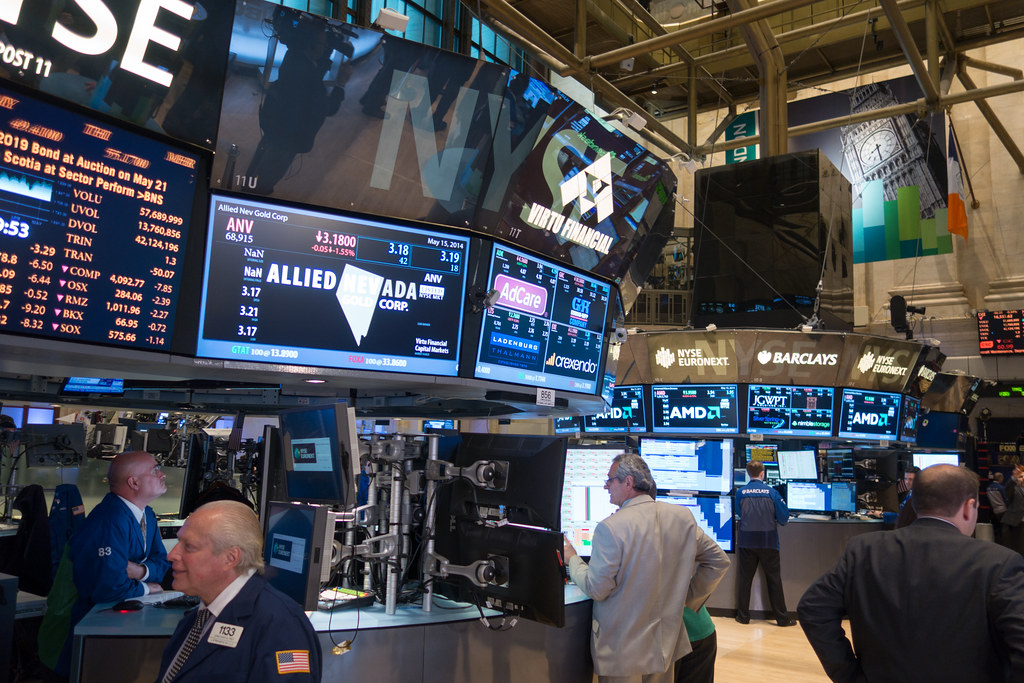
Wars are often described in maps, missiles and speeches. But ordinary people usually encounter them somewhere else first: in prices, pension funds, grocery shelves and utility bills. That is why two seemingly unrelated developments belong in the same conversation. European stock markets have suffered one of their worst days of the year as strikes on Middle Eastern gas and oil infrastructure resumed. Meanwhile, Reuters reports that the war has pushed bottled water prices in India up about 11%, erasing much of the practical relief from recent tax cuts. One story lives on trading floors. The other lives in supermarket aisles. They are the same story.
The immediate mechanism is energy. Oil and gas disruptions in and around the Gulf do not stay in the Gulf. When energy infrastructure is attacked, shipping routes become riskier, freight becomes more expensive, fuel costs rise, manufacturing inputs move higher and investors begin repricing everything from airlines to chemicals to consumer staples. Europe feels that first through markets because it is deeply exposed to imported energy and to the psychology of energy scarcity. India feels it in a more granular way through packaging, transport, plastics, caps, bottles, trucking and power costs. A missile hitting a gas field can end up making a family in Mumbai pay more for drinking water. That is not a metaphor. It is globalization.
One interpretation is that markets are finally pricing a reality they were too complacent to face earlier: a prolonged conflict involving Iran, Israel, the Gulf, shipping chokepoints and regional energy infrastructure cannot be ring-fenced as a local war. The European market reaction fits that logic. Investors have spent years learning that wars in energy-producing regions can be contained, hedged, and ultimately bought as dips. This war keeps humiliating that assumption. If facilities in Iran, Qatar, Saudi Arabia, Kuwait, Bahrain and the wider Gulf are all potentially exposed in rolling cycles of retaliation, the old template of “temporary volatility followed by calm” starts to look fragile. Markets do not panic because they hate uncertainty in the abstract. They panic because they realize their previous model of the world may be wrong.
Another interpretation is more restrained. Markets may be reacting sharply, but financial markets often overshoot. Oil spikes, equities sell off, analysts issue apocalyptic notes and then some of the physical system proves more resilient than feared. That is why caution matters. A bad day for European stocks is not the same thing as proof of a systemic breakdown. Some of the infrastructure damaged so far has resumed partial operations. Some price moves still reflect fear more than irreversible loss. If diplomacy, escorts, waivers or rerouted flows stabilize supply, the same markets now punishing energy-intensive sectors could bounce hard. In other words, this may be severe repricing, not yet structural collapse.
India’s bottled-water story is harder to dismiss as market noise, because it reveals how energy risk migrates into daily life. Packaged water depends on plastic resin, caps, labels, transport and refrigeration across a massive country already bracing for summer demand. When energy-linked inputs rise, the final product rises too. What sounds trivial at first is not trivial at all. Bottled water in India is not a luxury good in the way it is for many consumers elsewhere. It intersects with climate, health, mobility and uneven municipal water quality. An 11% rise is not just an economic statistic. It is a reminder that war taxation increasingly arrives through private markets rather than public declarations.
There is also a political argument embedded in these price changes. Governments in Europe and Asia have spent years telling their publics that energy diversification, LNG buildouts, reserves, financial sophistication and supply-chain resilience would soften the impact of major external shocks. Yet here we are again: a conflict in the Gulf shakes European bourses and raises the price of bottled water in India. That does not mean diversification failed entirely. It means resilience was never the same thing as immunity. The system can absorb shocks better than before and still pass painful costs downstream to citizens who have no say in the war’s strategy.
Some will argue that this is exactly why the war’s advocates underestimate its democratic consequences. Voters may support muscular rhetoric when the costs are abstract. They become less enthusiastic when portfolios fall, airline tickets rise, food and water get more expensive, and inflation returns through the side door just as central banks hoped they had cornered it. Others will say the opposite: that temporary pain is the price of containing a more dangerous Iran and protecting the broader order of deterrence and shipping security. That argument may persuade some publics. But it becomes harder to sustain if the war drags on and the “temporary pain” starts looking like a new normal.
There is another lesson here about hierarchy. Financial pain gets immediate headlines because markets are visible, elite and measurable minute by minute. Household pain arrives more quietly. A bad trading day produces urgent television banners. A slow increase in bottled-water prices gets absorbed into everyday frustration. Yet the second may matter more politically over time. Households do not revolt because the Euro Stoxx index fell. They revolt when life becomes steadily harder while officials speak the language of strategy, deterrence and alliance credibility as though none of that has a receipt.
The most important question, then, is not whether Europe’s stock selloff was rational or whether India’s bottled-water surge is dramatic enough for alarm. The question is whether this war is entering the stage where its most durable effects are no longer military but distributive. Who pays? Who absorbs the shock? Which countries can subsidize the damage and which cannot? Which voters are asked to accept higher living costs in the name of a conflict they neither planned nor control?
That is when wars change character. They stop being things watched on screens and start becoming systems that reorganize the price of ordinary life. Europe’s stocks and India’s water are telling the same story in different languages. One is spoken in equity losses. The other in plastic bottles. Both say the same thing: the war is no longer over there.