Israeli Air Activity Is Being Linked to Iran Strike Simulations—But the Public Evidence Is Thin
The IDF announced an exercise in the Galilee and near Beersheba earlier this week. Claims of three days of Iran strike simulations and flights through Iraqi airspace have not been independently confirmed.
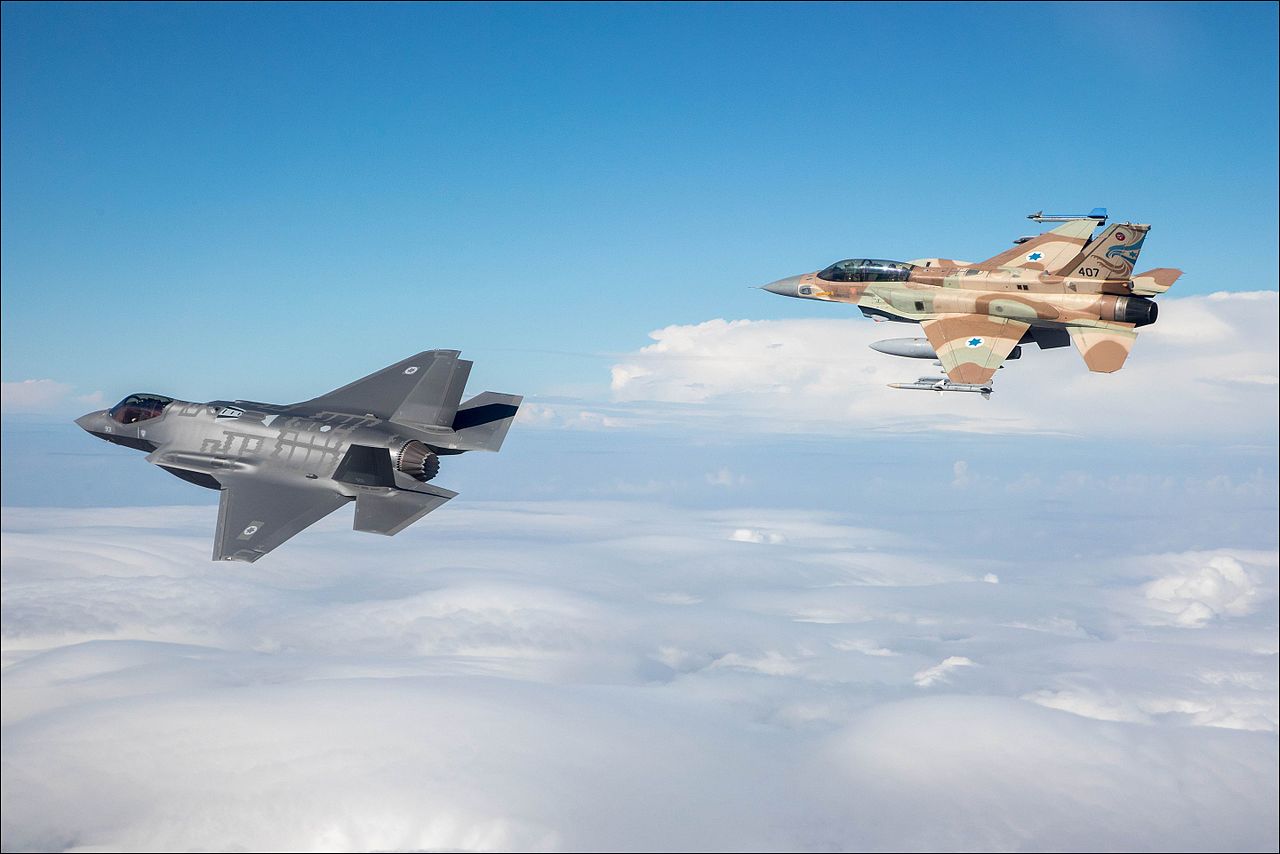
Reports of heavy Israeli aircraft activity over the West Bank and Galilee have been linked online to alleged strike simulations against Iran, including claims that aircraft entered Iraqi airspace. The public evidence located so far does not confirm those specific assertions. The Israel Defense Forces did announce a military exercise earlier in the week in the Galilee and near Beersheba, scheduled to run through Wednesday evening. It said the exercise would involve increased movement of security forces and vehicles and that there was no expected security incident.
An announced domestic drill is not the same as a rehearsal for an attack on Iran. Nor does aircraft activity over Israeli territory demonstrate that jets crossed into Iraq. Such claims would ordinarily require corroboration from flight tracking, official notices, imagery or reporting from regional governments. None has been made available in the sources checked for this article.
The regional context makes the speculation understandable. Israel and Iran remain adversaries, and recent military exchanges have raised the possibility of renewed strikes. But treating every exercise as preparation for an imminent attack can produce false alarms and obscure what officials actually confirm. Military exercises are routine tools for training and readiness; their timing may be politically meaningful, but that must be established rather than assumed.
The claim of “heavy jet activity for the third consecutive day” also lacks a clear baseline. How many aircraft were observed? At what locations and times? Were they combat aircraft or other military flights? Without those details, a report can sound more precise than the evidence warrants.
What would confirm the Iran-simulation claim? Independent radar data, Iraqi government comment, a formal exercise notice or credible reporting from multiple outlets could strengthen it. Until then, the confirmed fact is that Israel announced an exercise in domestic regions; the alleged Iran strike simulation and Iraqi airspace transit remain unverified. Readers should watch for corroboration without turning a plausible scenario into a reported event.
Why exercises are often misread
Military drills can be deliberately visible. They demonstrate readiness, reassure local populations or signal deterrence to an adversary. The same movement may therefore have operational and political meaning, without proving that a strike has been ordered. Governments also sometimes withhold details, which leaves information gaps that social-media accounts fill with confident but unsupported explanations.
The publicly announced Israeli exercise covered the Galilee and areas near Beersheba. That is not evidence of aircraft entering Iraqi airspace, and the notice did not describe simulations against Iran. If a distinct exercise occurred, it needs separate confirmation. Observers should look for corroboration from Iraqi authorities, aviation notices or multiple independent reporters. What would count as evidence that training has shifted into attack preparation? At present the claim does not meet that bar.
Public statements from the IDF can help establish the location and duration of announced drills, but they cannot rule out every classified activity. At the same time, the existence of classified operations cannot be used as a blank check to treat an unverified rumor as fact. Credible reporting normally explains what sources know, how they know it and whether other evidence supports the account. In a tense region, that standard protects readers from both premature reassurance and unnecessary alarm.