Arbaeen in Karbala Becomes a Memorial for Iran’s War Dead: Sacred Mourning—or a New Mobilisation for Revenge?
Millions are gathering in Karbala for Arbaeen as Iranian pilgrims bring fresh grief from the 2026 war. The killing of Ayatollah Ali Khamenei and the deadly Minab school strike have entered religious symbolism, but mourning, political mobilisation and calls for revenge should not be treated as the same thing.
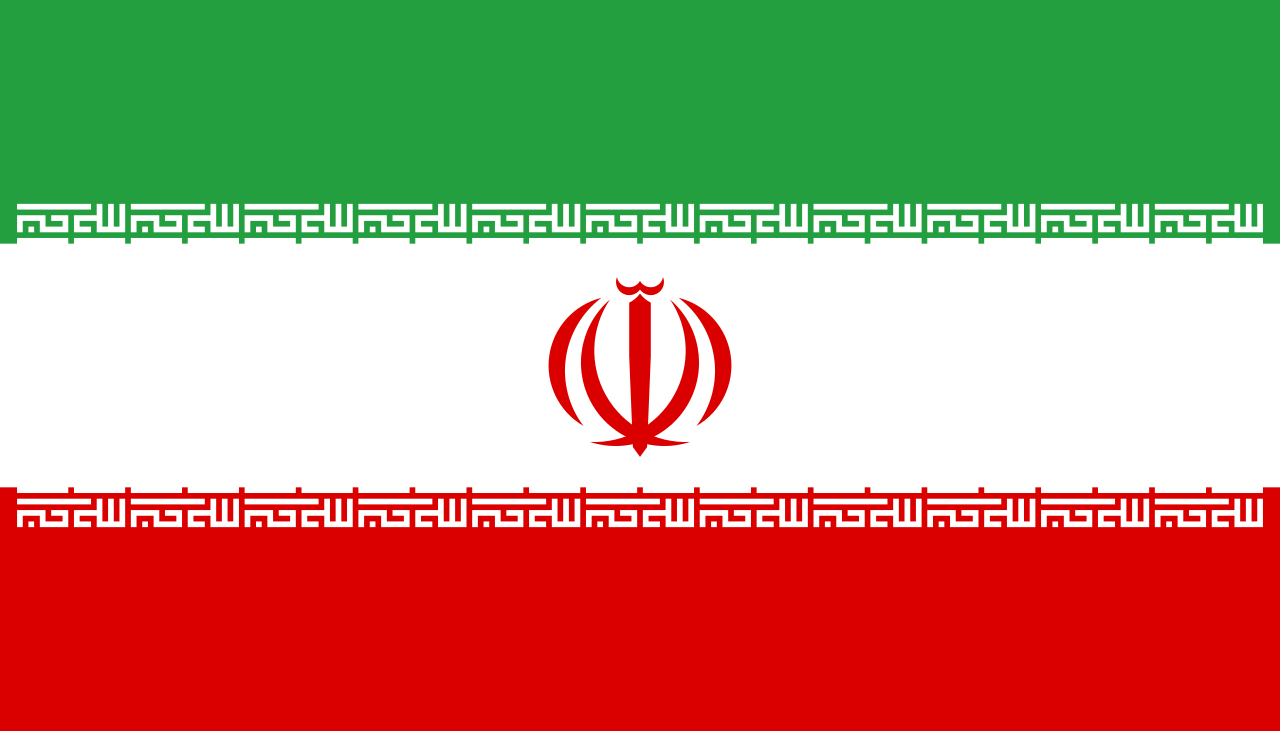
Millions of Shiite pilgrims are converging on Karbala for Arbaeen, one of the largest religious gatherings in the world.
This year’s pilgrimage carries an additional political and emotional burden from the 2026 Iran war.
Arbaeen marks 40 days after Ashura and commemorates Imam Hussein, the grandson of the Prophet Muhammad, who was killed at Karbala in 680.
The event centres on mourning, sacrifice, injustice and refusal to submit to tyranny.
Those themes are being interpreted through the current war.
Iranian pilgrims are arriving after months of casualties from U.S. and Israeli strikes, Iranian retaliation and fighting across the Gulf.
Earlier Reuters reporting on Ashura documented pilgrims carrying photographs of relatives killed in the war and portraits of Iran’s late Supreme Leader Ayatollah Ali Khamenei.
Khamenei was killed in the opening U.S.-Israeli strikes on February 28.
His death became a major element of religious and political mourning in Iran and Iraq.
The Minab school strike has become another powerful symbol.
Iranian authorities say 168 children were killed when a missile struck the Shajareh Tayyebeh girls’ elementary school.
Human-rights investigators called for a war-crimes investigation.
President Donald Trump later described the strike as a mistake.
These facts should be separated from political language describing every action in the war as deliberate aggression.
The school deaths are established as a major civilian tragedy.
The exact military decision-making and legal responsibility remain matters requiring accountability.
At Karbala, grief can easily merge with calls for revenge.
Red banners appear throughout Shiite religious culture and can symbolise martyrdom, blood unjustly shed and a demand for justice.
They do not carry one universal political meaning.
A red flag in Karbala should not automatically be interpreted as an order for military retaliation.
Some mourners explicitly call for revenge.
Others understand the symbolism through spiritual sacrifice and historical memory.
The distinction matters because outside coverage often reduces Arbaeen to geopolitics.
The pilgrimage existed for centuries before the Islamic Republic of Iran, the United States or modern Israel.
Millions come for personal faith, family tradition and devotion to Imam Hussein.
Iraqis provide food, water and shelter to strangers along pilgrimage routes.
Volunteers establish thousands of service stations.
The event is simultaneously religious, social and political.
Iranian institutions have long used Karbala symbolism to frame contemporary conflicts.
The Islamic Republic describes resistance to the United States and Israel through the language of Hussein confronting overwhelming power.
Armed groups in Iraq use similar imagery.
That messaging is especially effective after highly visible civilian deaths.
The United States and Israel reject the framing that their war is directed against Shiites or Islam.
They say military operations target Iranian state and armed capabilities.
Civilian casualties and attacks such as Minab make that distinction harder to communicate to grieving communities.
Karbala also matters because Iraqi militias operate within the same religious and political environment.
Groups that recently lost fighters in U.S.-Saudi strikes can present those deaths through the same martyrdom tradition.
Arbaeen therefore becomes a potential mobilisation space even without formal recruitment.
Speeches, banners and processions can transform personal grief into political commitment.
That does not mean every pilgrim supports militia warfare.
Iraq’s Shiite population contains major disagreements over Iran, armed groups and state sovereignty.
Grand Ayatollah Ali al-Sistani’s tradition has often emphasised Iraqi national institutions and restraint.
Other factions promote a transnational resistance identity.
The same pilgrimage can contain both.
Security authorities face a difficult challenge.
Millions of people moving through Iraq create risks from terrorism, crowd crushes, heat and regional military escalation.
Any attack on Karbala during Arbaeen would have extraordinary symbolic consequences.
The safest reporting therefore avoids turning every banner into a threat while also recognising that this year’s pilgrimage is inseparable from war.
The open question is how the memory of Khamenei, Minab and thousands of other dead will shape the politics that pilgrims carry home—toward demands for accountability, deeper regional retaliation, or both.