Korea’s Impossible Triangle: Seoul Wants Peace, Trump Says He Still Gets Along With Kim—and Kim Is Moving Closer to Russia
South Korean President Lee Jae Myung is calling for talks to formally end the Korean War and replace the 1953 armistice with a peace regime. Trump is again emphasizing his personal rapport with Kim Jong Un, while Kim is simultaneously deepening military and political ties with Russia.
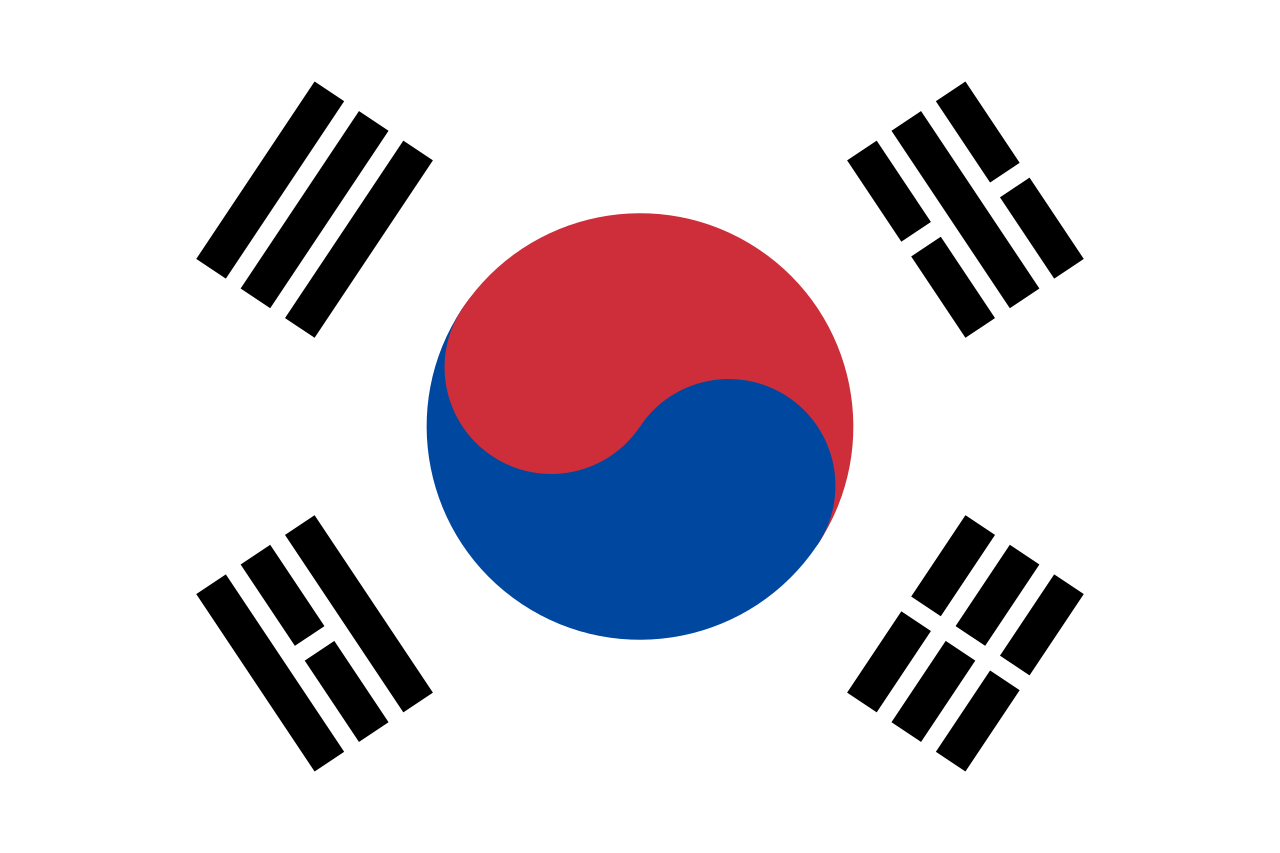
South Korean President Lee Jae Myung is trying to reopen one of the hardest diplomatic files in the world: formally ending the Korean War.
In a Liberation Day speech, Lee called for renewed dialogue with North Korea, safeguards against accidental escalation and a shift from the 1953 armistice to a permanent “peace regime.”
The Korean War never ended with a peace treaty.
It stopped with an armistice.
Technically, the two Koreas remain in a state of unresolved war more than seven decades later.
Lee argues that formal peace talks could also create room to address North Korea’s nuclear programme in stages.
That is a very different emphasis from the harder “denuclearisation first” approach associated with previous governments.
His proposal comes at an awkward moment.
North Korea has spent recent years treating South Korea less like a future reunification partner and more like a hostile state.
Pyongyang has rejected multiple engagement offers and continues to expand missile and nuclear capabilities.
Yet another potentially important piece of the puzzle is Donald Trump.
On August 15, Trump posted an old photograph of himself with Kim Jong Un and wrote that, despite the unfriendly-looking expressions in the image, the two men “get along GREAT.”
That statement fits Trump’s long-standing argument that personal chemistry with Kim gives him unique leverage.
During Trump’s first presidency, the two leaders held unprecedented summits in Singapore, Hanoi and the Korean Demilitarized Zone.
Those meetings reduced immediate tensions and created spectacular images.
They did not produce a final nuclear agreement.
Trump still describes the relationship as unusually strong.
That matters because Lee has repeatedly encouraged Washington to re-engage Pyongyang.
A South Korean peace initiative without U.S. participation is unlikely to succeed.
North Korea wants sanctions relief and security guarantees that Seoul alone cannot provide.
Trump’s willingness to talk could therefore create an opening.
The problem is that Kim’s strategic environment has changed dramatically since the first Trump-Kim diplomacy.
North Korea is now far closer to Russia.
Kim Jong Un and Vladimir Putin exchanged messages marking Korea’s liberation from Japanese rule, with both leaders promising to deepen cooperation.
Russia and North Korea are coordinating on security issues and have strengthened ties across military, political and economic sectors.
North Korean soldiers and weapons have supported Russia’s war in Ukraine.
That relationship gives Pyongyang options it did not have during the Hanoi summit.
Kim is less isolated.
He can obtain money, energy, military technology and diplomatic backing from Moscow.
That may reduce his incentive to compromise with Washington.
It can also create a different opportunity.
A North Korea that feels more secure might be more willing to negotiate limited nuclear restraints because it no longer sees diplomatic engagement as its only route to survival.
Lee’s proposed “peace regime” is deliberately broader than denuclearisation.
The idea is to reduce the risk of war first and then create conditions for arms control.
That could mean hotlines, military confidence-building measures, restoration of inter-Korean agreements, limits on exercises or missiles and eventually discussions about nuclear production.
Critics will say this rewards North Korea for becoming a nuclear state.
Supporters will answer that demanding complete disarmament before discussing peace has produced neither peace nor disarmament.
There is also a structural problem.
The 1953 armistice was signed by North Korea, China and the U.S.-led United Nations Command, not by South Korea.
Replacing it formally would therefore require more than a bilateral Seoul-Pyongyang handshake.
Washington and probably Beijing would need to be involved.
Russia would inevitably seek influence as well.
That turns a Korean peace treaty into a wider great-power negotiation.
Trump may believe his relationship with Kim can cut through that complexity.
Personal diplomacy can open doors.
It cannot erase strategic interests.
Kim can genuinely like dealing with Trump while still believing nuclear weapons are essential.
Putin can strengthen North Korean confidence while making Western governments more suspicious of Pyongyang.
Lee can offer peaceful coexistence while facing domestic critics who fear North Korea will pocket concessions without changing behaviour.
The most important development may therefore be that all three narratives now coexist.
Seoul says: let us formally end the war.
Trump says: Kim and I still get along.
Kim says: Russia remains a strategic friend.
The open question is whether those three relationships can be combined into a real peace process—or whether the Korean Peninsula is entering a new era where diplomacy with Washington and military partnership with Moscow advance at the same time, giving Pyongyang more leverage than ever before.