Saudi Arabia Turns to Allies for Missile Defenses as Interceptors Run Low—How Much Protection Is Enough?
Saudi Arabia is asking partners for help replenishing air defenses as attacks from Iran and the Houthis strain interceptor stocks. The challenge is that missiles take time to produce while threats continue.
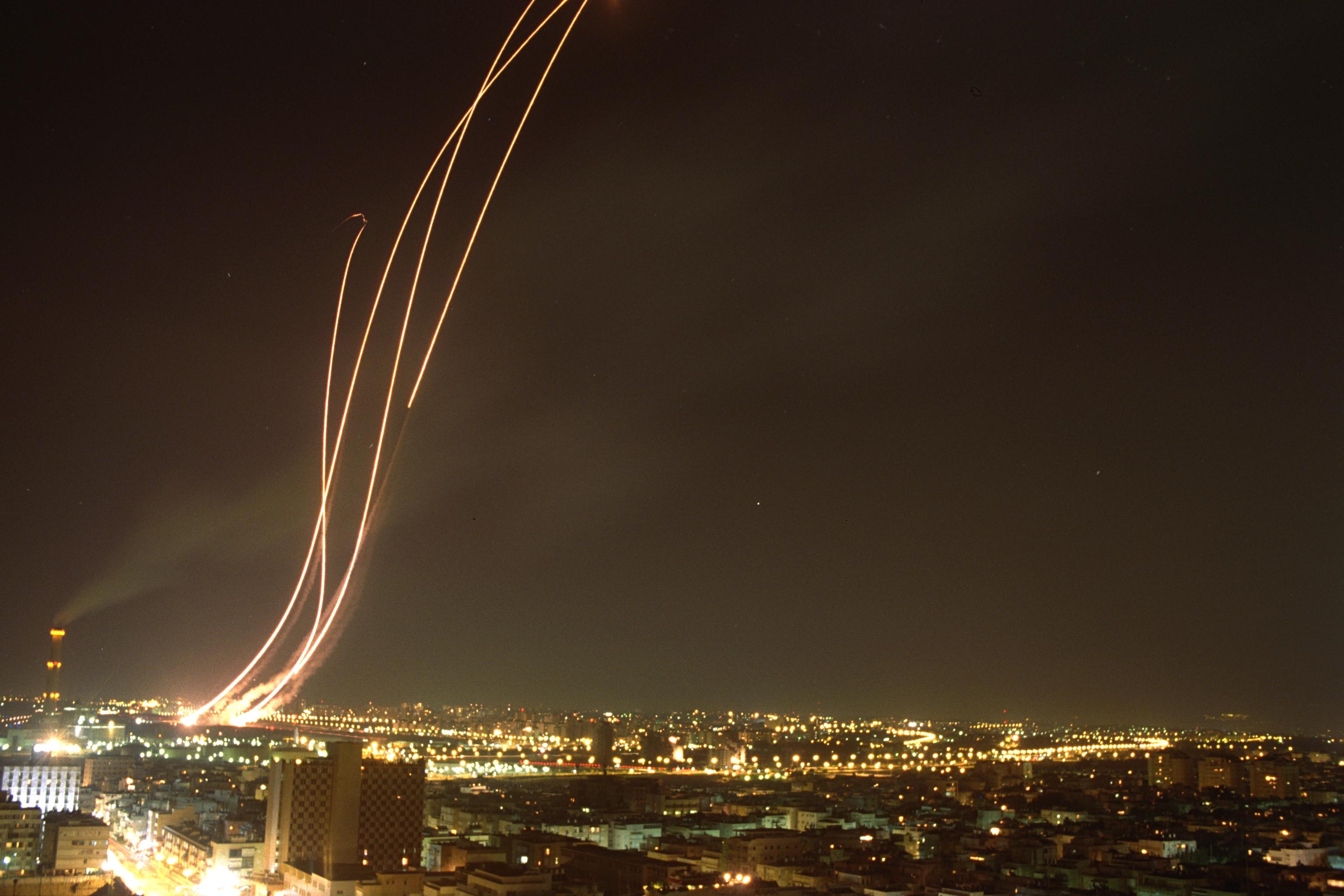
Saudi Arabia is seeking help from partners to replenish missile defenses after months of attacks have strained interceptor supplies, according to recent reporting. The kingdom has faced missile and drone threats from the Houthis and Iranian forces during a widening regional conflict. Interceptor stockpiles are closely guarded, so the exact level of remaining supplies is not public. But the effort to bring in support underscores a basic problem: defensive missiles can be used faster than they can be manufactured.
The Los Angeles Times reported that Riyadh is engaging countries including Ukraine and South Korea, while France and Britain have deployed aircraft for defensive patrols. Earlier Associated Press reporting said Saudi Arabia had asked France, Britain, Pakistan and Egypt for air-defense assistance as Houthi attacks continued. The partner list and types of help may change; a request, a deployment and a confirmed transfer of interceptors are not interchangeable.
Saudi Arabia's challenge is geographic as well as industrial. The kingdom has a large area to protect, including cities, energy infrastructure, ports and military facilities. A limited number of launchers and interceptors must be allocated across multiple potential targets. Cheap drones can force defenders to use expensive missiles, and even a high interception rate can deplete supplies over time. The attacker may not need every weapon to get through if repeated launches create pressure or interrupt operations.
Foreign assistance can take several forms. Allies might provide air-defense systems, radar, aircraft patrols, intelligence, maintenance support, training or additional interceptors. Each has a different timeline and political cost. A system transferred today may still require crews, integration and logistics before it can meaningfully improve coverage. Long-term procurement deals, such as Saudi Arabia's earlier agreement with South Korea, address future capability but cannot immediately replace weapons used this month.
The escalation also raises questions about regional strategy. If more partners send equipment or personnel, does that deter attacks—or make them appear more international and draw additional states into the conflict? Saudi Arabia may frame the effort as defense of civilians and critical infrastructure. The Houthis and Iran may see foreign deployments as evidence of a coalition against them. These perceptions can influence decisions even when the deployments are defensive in purpose.
The defense challenge is not only a question of purchasing more interceptors. Radar coverage, warning time, command networks and the ability to identify different kinds of incoming weapons all affect whether a system can respond. Drones and ballistic missiles require different sensors and interception methods, and attackers may use decoys or simultaneous launches to overwhelm defenses. Integrating equipment from several countries can improve capacity, but it requires compatible communications, trained crews and a clear chain of command. These systems are costly to operate and maintain even when they are not firing.
There are longer-term industrial questions as well. Global demand for air-defense weapons has risen as conflicts consume stocks, and production lines cannot necessarily expand quickly. When Saudi Arabia seeks additional supplies, other governments must weigh Riyadh's needs against their own inventories and commitments to Ukraine, Europe or the Indo-Pacific. The same interceptor may be promised to more than one urgent theater. Publicly announced assistance can signal partnership, but the strategic test is whether it arrives in time and can be maintained without weakening other defenses.
Saudi Arabia's approach can also be read as both an emergency measure and a longer-term effort to diversify its defense relationships. Working with several partners may reduce dependence on a single supplier, but it can complicate logistics and diplomacy. Each supplier may impose conditions on deployment or end use, and each system has different parts and training needs. A layered defense is only as dependable as its coordination. The public reporting does not detail exactly how many systems or interceptors have been promised, so claims of a completed replenishment would be premature.
Air defenses can reduce harm, but they cannot by themselves resolve the political conflict driving attacks. Which threats should Saudi Arabia prioritize if resources remain limited? How much support can allies provide without creating new dependencies or depleting their own inventories? And what diplomatic steps could lower the number of incoming weapons so that replenishment is not a race against the next salvo?