Trump Gets Iran Strike Options as Vance Sends Tehran a Letter: Is Washington Preparing for War—or Still Testing Diplomacy?
Trump was briefed on military options while JD Vance reportedly reached out to Iranian official Mohsen Rezaei. The two tracks show pressure and diplomacy unfolding at once, not proof a strike is decided.
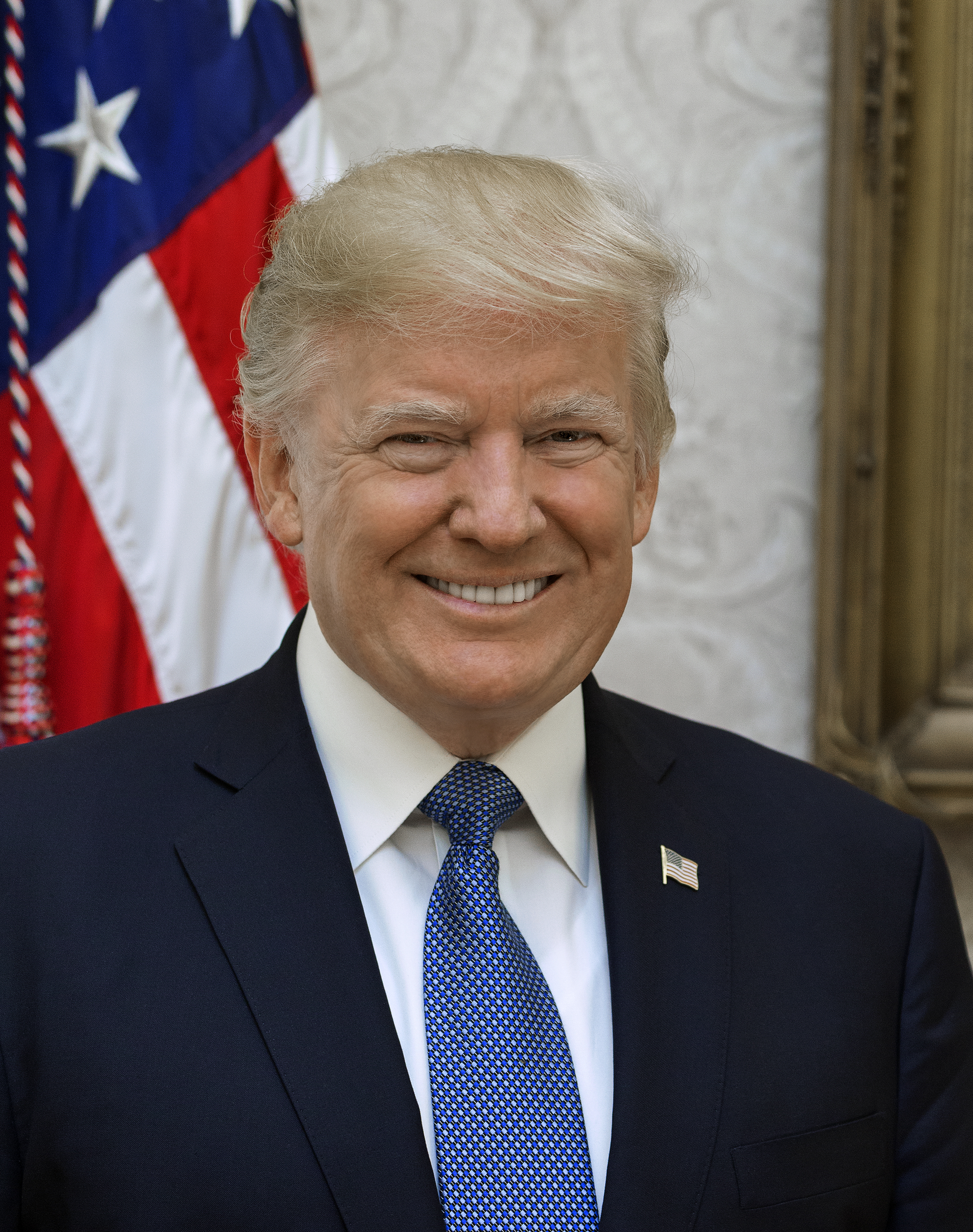
President Donald Trump has reportedly been briefed on military options for Iran even as Vice President JD Vance sent a letter to a senior Iranian official seeking to reopen a diplomatic channel. The combination captures the administration's current posture: preparing for possible escalation while testing whether talks can avert it. A report that a strike could come after the US midterm elections has circulated, but the available evidence does not establish that Trump has made that decision.
What the reports say
The Wall Street Journal reported that CENTCOM commander Admiral Brad Cooper briefed Trump at the White House on options involving Iran. The report cited officials familiar with the meeting. Separately, the Journal and Axios reported that Vance sent a letter to Mohsen Rezaei, a powerful Iranian security official, exploring a framework to restart negotiations. Trump publicly described Vance's outreach as focused on helping Iran obtain medical supplies. Iran had not responded publicly to the letter at the time of reporting.
Newsmax has reported that the administration plans a strike after next week's midterms. That is a consequential claim, but it should not be treated as confirmed government policy without corroboration. Military contingency planning is routine during a conflict; a briefing on options is not the same as an order to attack. Diplomacy and planning can proceed simultaneously, particularly when each side is using pressure to shape negotiations.
Why the timing matters
The midterms add domestic political stakes. The war has contributed to high energy costs and pressure on the administration, while lawmakers and voters are debating its objectives and cost. Some critics may interpret a post-election timeline as an effort to reduce political consequences before acting. Others may argue that the timing reflects operational or diplomatic calculations. Without official evidence, either account is speculation.
The diplomatic gap remains wide. US officials reportedly want Iran's nuclear program included in any talks. Tehran has demanded relief from the naval blockade and sanctions and has rejected negotiations on terms it considers one-sided. Vance's contact could be an attempt to test whether a senior hard-liner can deliver a response from Iran's leadership. It could also be a way for Washington to show that it offered diplomacy before any escalation. The public record cannot yet tell which interpretation is closer.
What to watch
Key indicators include whether Iran responds, whether Qatar or another mediator carries proposals, whether the blockade changes, and whether US forces move beyond routine defensive deployments. Congress also has a role in oversight and funding, even when presidents retain authority to direct military operations. Clear public explanations of objectives and legal basis would matter if strikes occur.
Is this a final effort to prevent a wider war, or a diplomatic channel being opened while the military clock keeps running? And if talks fail, what outcome would Washington consider success? The answer is not contained in the word “briefed.” It depends on decisions and evidence that have not yet become public.
The legal and political test of any next step
If the administration decides to use force, it will face questions about congressional authorization, the stated objective, civilian protection and the criteria for ending operations. A military action can damage targets without resolving the underlying dispute. Earlier US and Israeli strikes have not removed the need to address nuclear monitoring, regional security and the status of the Strait of Hormuz. Any claim that a short campaign would decisively settle the conflict needs evidence, not just confidence from officials.
Diplomacy also requires clarity about what Washington is willing to offer and what it expects Iran to do. If the letter is intended to open talks, public threats can complicate the effort; if it is intended as leverage, the administration must consider how Tehran interprets the risk. What would count as a diplomatic success, and who would verify compliance? Those are the questions Congress and the public should ask before a briefing becomes an operation.