Eight Suicide Attempts Shadow USS Lincoln
The Navy has confirmed eight suicide attempts across the Abraham Lincoln carrier strike group during its extended deployment. What failed—and what must change?
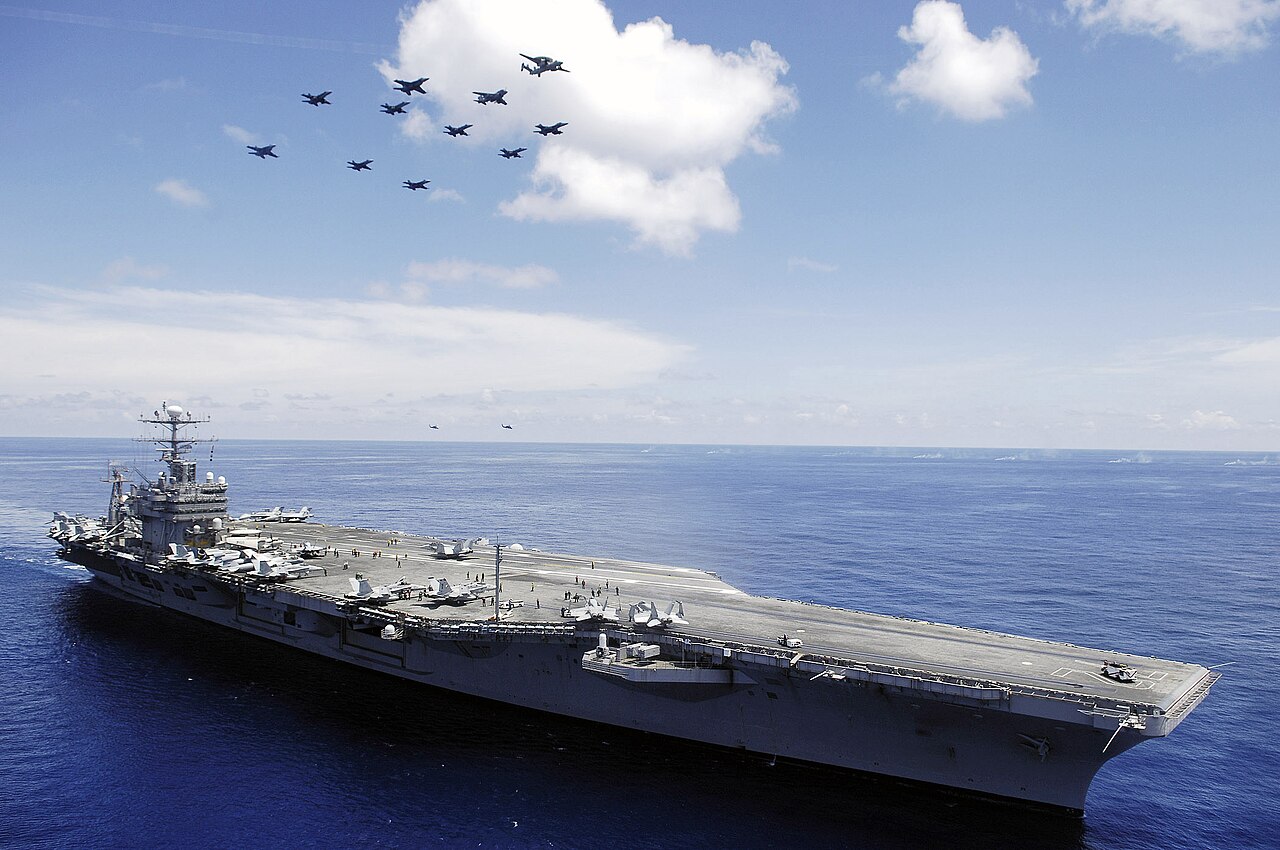
The U.S. Navy has confirmed a figure that deserves more than a political argument: eight personnel assigned to the USS Abraham Lincoln carrier strike group attempted suicide during its prolonged deployment.
Acting Navy Secretary Hung Cao disclosed the number in a letter to Senator Kirsten Gillibrand. It covers the entire strike group—the carrier crew, air wing, embarked aviation squadrons, staffs and escorting destroyers. It does not mean eight sailors died, and it does not mean every case occurred aboard the carrier. Cao said there were no deaths by suicide.
Those distinctions are essential, but they do not make the number unimportant. The deployment began in November 2025, lasted roughly ten months and included more than 250 uninterrupted days at sea as the group supported operations connected to the Iran war. The Lincoln spent 286 days away before its September port call in Thailand.
Sailors and relatives had already described supply shortages, plumbing problems, mold concerns, restricted port access and deteriorating morale. The Navy says personnel had access to chaplains, counselors and medical support, and the Pentagon disputed claims that the ship experienced an unusual rise in suicidal behavior.
Both propositions can be examined rather than treated as slogans. Eight attempts across 6,000 to 7,000 personnel cannot be compared honestly with another deployment without matching the population, time period and reporting rules. Yet an aggregate rate alone can conceal clusters, high-risk units and the effect of constant combat alerts.
The deployment extension is central. Military service includes hardship, and carriers are built to remain operational under pressure. But an extension changes family plans, medical care, sleep, maintenance and confidence in the command’s promises. When the mission has no visible endpoint, stress becomes harder to compartmentalize.
Political leaders should resist using individual suffering as ammunition against one administration. Gillibrand is entitled to demand records and oversight; Navy leaders are entitled to correct inaccurate claims. The serious questions are operational: Were warning signs documented? Were behavioral-health teams adequately staffed? Could sailors seek help without fearing damage to careers or disciplinary consequences?
Reports that one rescued sailor faced accusations related to intentionally avoiding duty intensify that concern. The Navy must protect due process and operational standards, but policies perceived as punishing people in crisis can deter others from asking for help. Independent review is more credible than either institutional denial or partisan inference.
Readiness is not separate from mental health. Exhausted crews make mistakes, maintenance declines and experienced personnel leave the service. A carrier can have fuel and ammunition while losing the human resilience required to use them safely.
The Navy should publish anonymized trend data, compare the deployment with similar strike groups, examine port-call and extension policies and explain what changed after the first attempts. Privacy must be protected, but privacy cannot become a reason to avoid institutional accountability.
Anyone in the United States experiencing a suicidal crisis can call or text 988. Service members can also contact the Military Crisis Line by dialing 988 and pressing 1.
What meaningful accountability would look like
The Navy can begin by separating four questions often collapsed together: the clinical circumstances of each attempt, the command climate, material conditions aboard each ship and the operational decisions that extended the deployment. A review that examines only individual medical histories would miss institutional pressures; a review that assumes deployment caused every case would also be unsound.
Comparison data should use the same definition of an attempt and the same population period. Officials have noted that an aggregate rate across the strike group may resemble broader Navy figures. That observation is relevant, but it cannot answer whether several cases clustered during combat, whether reporting increased or whether access to care differed by ship.
Families need a formal role. They often see changes in behavior during calls before commanders do, yet operational secrecy and limited connectivity can prevent timely intervention. A confidential family channel could surface risks without feeding rumors.
Congress should also examine whether leaders were pressured to preserve deployment schedules at the expense of rest and resupply. The military sometimes treats endurance as proof of strength even when repeated extensions consume readiness that will be needed later.
Finally, language matters. Personnel should not become anonymous evidence in a partisan fight. Reporting should avoid methods and protect identities while still asking whether the institution learned. Transparency and compassion are not competing obligations here; each is necessary for prevention.
What to watch next
Will Congress seek an independent investigation, and will the Navy release comparable data? Did commanders receive resources when the deployment was extended? The confirmed figure is not proof of a single cause. It is proof that the conditions and response require serious scrutiny.