Trump Says Iran Sent a ‘Useless’ Document — Are Energy Facilities Back on the Target List?
Trump’s dismissal of Iran’s response has raised fears that talks could collapse and energy infrastructure could become part of the next escalation.
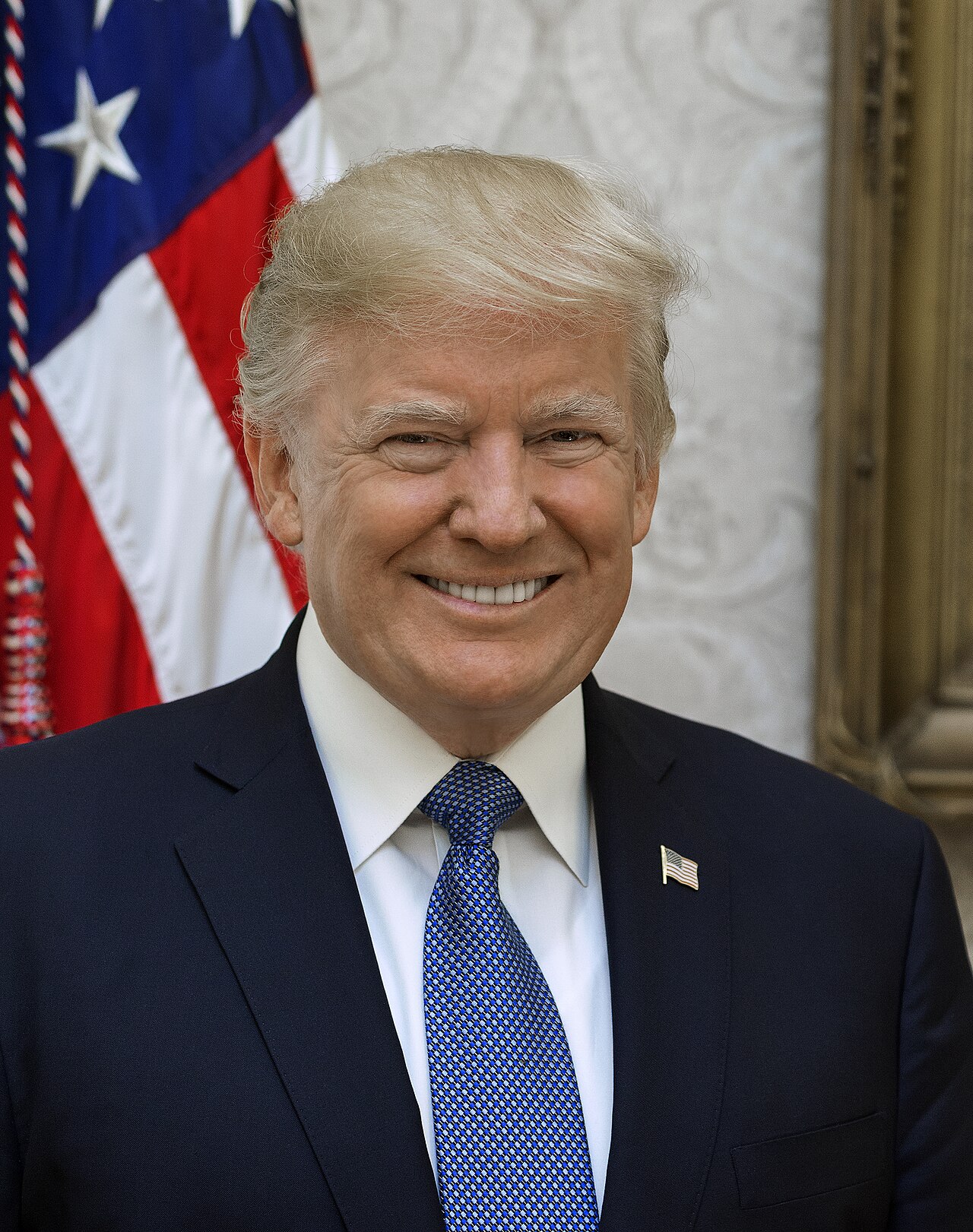
President Trump’s reported dismissal of Iran’s latest peace response as a “completely useless document” lands at a dangerous moment. Diplomacy is still alive, but the language around it is becoming more hostile. When leaders begin describing proposals as meaningless, markets and militaries start asking the same question: what comes next if talks fail?
Reporting today indicates that Iran’s revised proposal was passed to Washington through Pakistan, which has been acting as a mediator. U.S. officials have described the Iranian position as insufficient, especially on the nuclear file. Iran wants a comprehensive end to hostilities, guarantees against future attacks, compensation, relief from maritime and financial pressure, and a broader settlement that touches multiple fronts. Washington wants nuclear restrictions, enforceability and a deal it can defend politically.
The danger is that each side may be using diplomacy partly to prepare the blame narrative for escalation. If talks fail, the U.S. can say Iran rejected reasonable terms. Iran can say Washington demanded surrender while refusing compensation and sanctions relief. Israel can argue that only force prevents Iran from rebuilding. Gulf states can say they warned everyone about spillover. In modern war, the diplomatic record becomes part of the battlefield.
The most alarming claim circulating is that the Pentagon is considering Iranian energy facilities and infrastructure as potential targets if talks collapse. Such options are not unusual in military planning; governments plan for many scenarios. But planning becomes politically meaningful when leaked or reported during live negotiations. It can be pressure, deterrence, preparation or all three.
Targeting energy infrastructure would be a major escalation. Iran’s oil and gas facilities are not only economic assets; they are tied to global energy markets, domestic stability and regional retaliation dynamics. Strikes on energy sites could push oil prices higher, threaten shipping routes, provoke attacks on Gulf infrastructure, and make de-escalation harder. Iran has options of its own, including maritime disruption, missile retaliation, proxy activity or pressure through the Strait of Hormuz.
Trump’s negotiating style often uses public pressure and dramatic language. Supporters argue that this creates leverage and prevents adversaries from wasting time. Critics argue that it narrows diplomatic space and makes compromise look like weakness. With Iran, the risk is amplified because both sides have domestic audiences that punish humiliation.
Iran’s leadership cannot easily accept a deal that appears to transfer enriched uranium, shut most nuclear infrastructure, abandon compensation and leave frozen assets locked. Trump cannot easily accept a deal that looks like Iran survived strikes and retained nuclear leverage. Israel cannot easily accept ambiguity. Saudi Arabia, the UAE, Pakistan, China and Russia all have stakes but different priorities.
This is why the word “useless” matters. It is not just insult. It signals that Washington may see Iran’s latest move as tactical delay rather than serious engagement. If that view hardens, the next phase could shift from mediation to coercion.
But readers should avoid assuming war is inevitable. Negotiations often look dead before they revive. Public rejection can be followed by private edits. Mediators can reframe terms. Partial asset releases, staged uranium transfers, monitored enrichment limits, maritime de-escalation and phased sanctions relief could still be negotiated. The problem is time. The longer both sides posture, the higher the chance that an incident outruns diplomacy.
The energy angle makes this a global story, not just a Middle East story. If Iranian facilities are threatened, energy traders react. If Hormuz is threatened, Asia reacts. If Saudi infrastructure becomes vulnerable, Pakistan’s security commitments matter. If oil spikes, inflation and bond markets react. A failed Iran deal can move from diplomacy page to every household budget through fuel prices.
The deeper question is whether the U.S. is trying to achieve arms control, regime deterrence, regional rollback or political victory. Those are different objectives. If Washington wants all of them at once, no Iranian document will ever be enough. If Iran wants full relief without credible nuclear limits, no U.S. president will sell the deal.
The open question is whether Trump’s harsh language is a tactic to force a better proposal — or the public sound of diplomacy breaking before the next round of strikes.