The Five U.S. Conditions Iran May Never Accept — Is the Peace Deal Already Dead?
Reports say Washington’s conditions include uranium removal, one nuclear site and no compensation. Iran may see that as surrender, not peace.
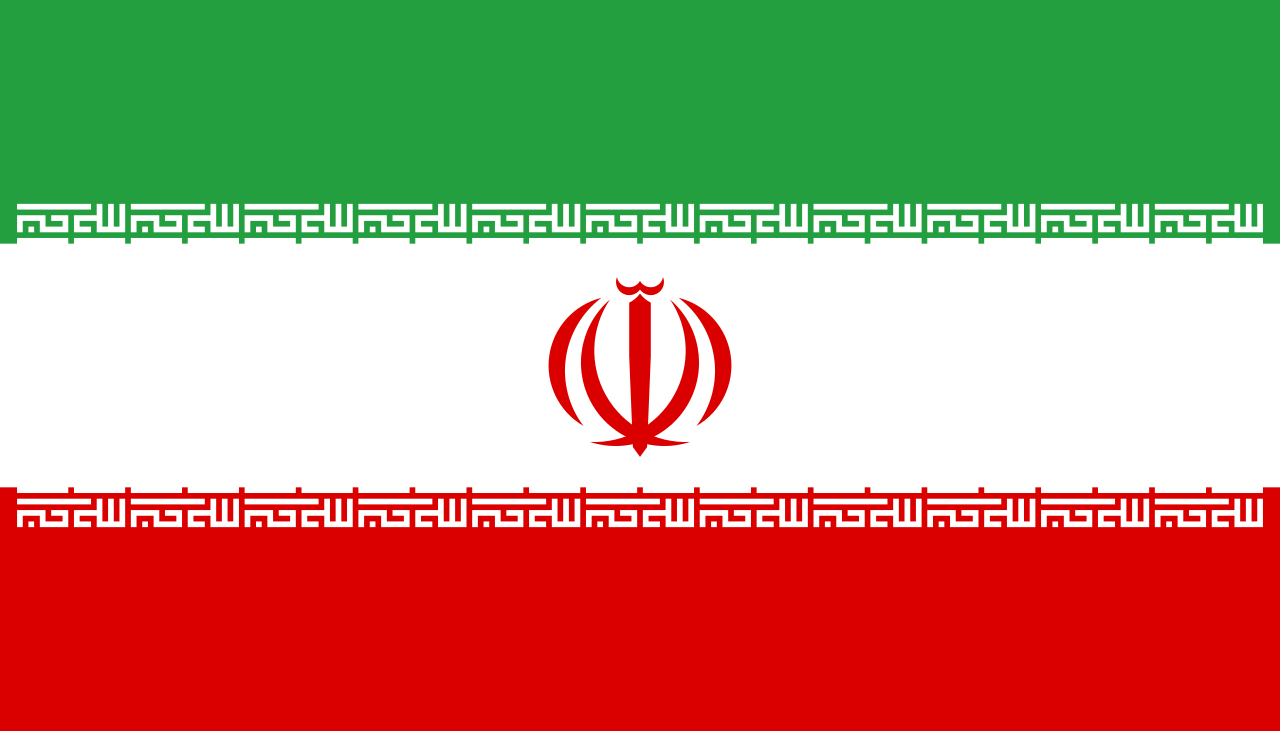
The latest Iran-U.S. peace push appears to be caught between two incompatible definitions of peace. Washington wants enforceable limits. Tehran wants guarantees, compensation and an end to military pressure across multiple fronts. The result is a proposal that may be less a bridge than a mirror, showing both sides how far apart they remain.
Reports tied to Iranian and regional sources describe five conditions attributed to the U.S. side: no compensation for war damage, removal or transfer of hundreds of kilograms of enriched uranium, leaving only one active nuclear facility in Iran, no full release of frozen Iranian assets, and making an end to the war on all fronts part of the arrangement. Some reporting says Iran’s response through Pakistani mediation has not satisfied Washington. U.S. officials have described the latest Iranian position as insufficient.
If the conditions are accurate, Tehran’s resistance is not surprising. For Iran, shipping out enriched uranium and reducing its nuclear infrastructure to one active site would look like strategic surrender after absorbing U.S.-Israeli strikes. For Washington and Israel, anything less may look like a pause that allows Iran to rebuild. The disagreement is not only about centrifuges. It is about who gets to declare victory.
The compensation issue is especially emotional. Iran has demanded compensation for damage from war. The U.S. appears unwilling to pay. Washington may argue that compensation would reward escalation and create a precedent. Iran may argue that no sovereign state can accept attacks, sanctions, blockades and asset freezes, then sign a deal with no material acknowledgment of damage. Both positions are politically understandable. That is why they are difficult to reconcile.
Frozen assets are another pressure point. Iran wants access to money that it considers its own. The U.S. and allies see frozen funds as leverage. Any partial release could be sold by Tehran as a diplomatic win and attacked by critics in Washington as appeasement. Any refusal to release funds strengthens Iranian hardliners who say negotiations only produce humiliation.
Then comes the nuclear question. A deal that leaves Iran with one monitored facility could be presented as a non-proliferation success. But the details matter. Who monitors it? What enrichment level is allowed? What happens to existing uranium stockpiles? Are missiles included? What about Iranian regional allies? Is Israel bound by any reciprocal restraint? The public slogan “one facility” hides a thousand technical disputes.
Pakistan’s role as mediator is also worth watching. Islamabad has channels with Tehran, Riyadh, Washington and Beijing. Pakistan is not a neutral island; it has its own security interests, economic pressures and Saudi ties. Still, mediation through Pakistan may offer a face-saving route where direct U.S.-Iran talks are politically toxic. The question is whether Pakistan is transmitting proposals or shaping them.
The phrase “end the war on all fronts” may be the biggest obstacle. Iran does not see the conflict as isolated to one battlefield. It connects Lebanon, the Gulf, maritime routes, Israeli strikes, U.S. sanctions and regional deterrence. The U.S. may want de-escalation without giving Iran a veto over Israel’s security policy or regional operations. Israel may reject any deal that preserves Iranian influence through armed partners. Hezbollah and other actors have their own incentives. A paper agreement between Washington and Tehran may not automatically silence every front.
This is why the peace process feels both urgent and fragile. Energy markets fear escalation. Gulf states fear being dragged deeper in. Israel fears a bad deal. Iran fears strategic disarmament. Trump wants leverage and a visible win, but also does not want to appear weak. Every actor wants peace on terms that prove they did not lose.
Readers should be careful with “Iran will never accept” headlines. Governments often reject terms publicly before accepting modified versions privately. The real test is whether the U.S. can offer Iran enough face-saving benefit while keeping nuclear restrictions credible. That balance may be nearly impossible, but diplomacy often lives in the word “nearly.”
The open question is whether this proposal is meant to end the war — or to prove, before the next escalation, that the other side refused peace.