America’s Warning Gap Is Killing Ukrainians
Kyiv says US restrictions left it without warnings before Russian ballistic attacks and offers a 30-day refinery-strike pause for Patriot interceptors.
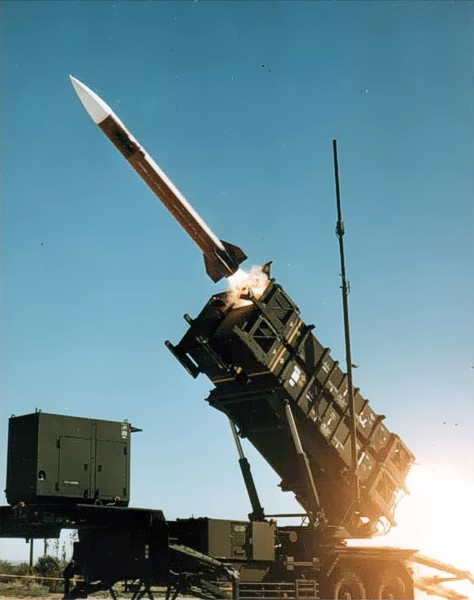
Ukraine says a widening gap in American support is now measured in lives. President Volodymyr Zelensky says Kyiv repeatedly received no advance warning before Russian ballistic attacks, while a senior adviser blames restrictions on US intelligence. Zelensky is offering a bargain: stop hitting Russian refineries for 30 days in return for Patriot interceptors.
What happened
Zelensky told a visiting congressional delegation that Ukraine had missed the usual partner warning on three occasions in one week. He also complained about limits affecting Starshield services and delays to missiles purchased by European partners through the PURL mechanism. One package allegedly awaits Defense Secretary Pete Hegseth’s signature.
Kyiv offered a temporary halt to refinery strikes if Washington supplies Patriot interceptors. Trump says the United States still shares intelligence. Rubio went further, denying there was ever a pause. A later Russian attack reportedly arrived with warning, suggesting the channel was functioning at least intermittently.
Why it matters
The United States operates space-based infrared sensors able to detect the heat signature of ballistic launches earlier than many Ukrainian systems. Even minutes can move civilians into shelters and cue air defenses. Intelligence access is therefore not a symbolic benefit but part of the kill chain for defending cities.
Washington opposes Ukrainian refinery attacks because it fears higher global fuel prices. Kyiv regards the same strikes as one of the few tools that can impose economic and logistical costs deep inside Russia.
The proposed exchange makes the dispute explicit: Ukraine would surrender an offensive pressure point for scarce defensive missiles. It could reduce energy-market risk and give Trump a diplomatic win, but only if the Patriot supply is reliable and Russia is also constrained.
The intelligence contradiction may involve different definitions. A service can continue broadly while specific feeds, timing or permissions are restricted. An accidental software or weather failure is also possible. Public evidence does not yet establish a deliberate decision to let Ukrainians die, but repeated gaps deserve an independent explanation.
Verification and competing accounts
Zelensky publicly described three missed warnings, delayed weapons and Starshield limitations. Washington says intelligence sharing continues, while Secretary of State Marco Rubio denied that it was paused. Sources consulted include Reuters, Associated Press, Ukrainian presidency, US State Department, The Guardian. Official, military, partisan and anonymous-source claims remain attributed unless independently established.
The adviser’s accusation is a political claim, not proof of intent. Reports should distinguish total intelligence cessation, partial restriction, technical failure and a missed individual warning. Zelensky’s proposal is conditional and temporary, not a permanent end to refinery attacks.
Reading the signal
Confirmation normally improves through records, imagery, technical data, named witnesses and reporting from sources with different incentives. Until those checks converge, terms such as “reported,” “claimed,” “preliminary” and “unverified” are not evasions. They identify the actual strength of the evidence and protect readers from treating the first narrative as the final one.
Scale matters as much as authenticity. A dramatic threat, viral video, missile claim or diplomatic announcement may be real without transforming the wider balance. Strategic change requires persistence: repeated operational success, measurable disruption, implemented policy, durable financing or behavior altered by the development.
Every actor has a communications objective. Governments seek confidence and deterrence, armed groups seek momentum, opposition movements seek legitimacy and political leaders seek electoral advantage. Motive does not make a claim false, but it explains why independent corroboration and precise attribution matter.
The assessment may change quickly. Responsible coverage preserves the verified core, labels the contested perimeter and explains what evidence would alter the conclusion. That approach is less theatrical than a viral post, but more useful when readers are judging war, public safety, diplomacy or markets.
Breaking-news language often makes a genuine development sound more conclusive than the available evidence permits. The disciplined method is to separate the observable event, the account offered by an interested government or armed group and the strategic interpretation placed on top. A verified statement proves that words were spoken; it does not automatically prove every operational detail inside them.
What to watch next
Watch whether the Pentagon releases the PURL package, whether PAC-3 interceptors reach Ukraine and whether both sides pause energy strikes. A documented pattern of missed US warnings would strengthen Kyiv’s allegation; restored alerts would suggest a narrower disruption.