SpaceX Nears the Biggest IPO Ever: Is Elon Musk Really Heading Toward Trillionaire Territory?
Reports around SpaceX’s long-awaited IPO point to a potential valuation near $2 trillion, huge Musk voting control and a market frenzy. But multi-trillionaire headlines need context.
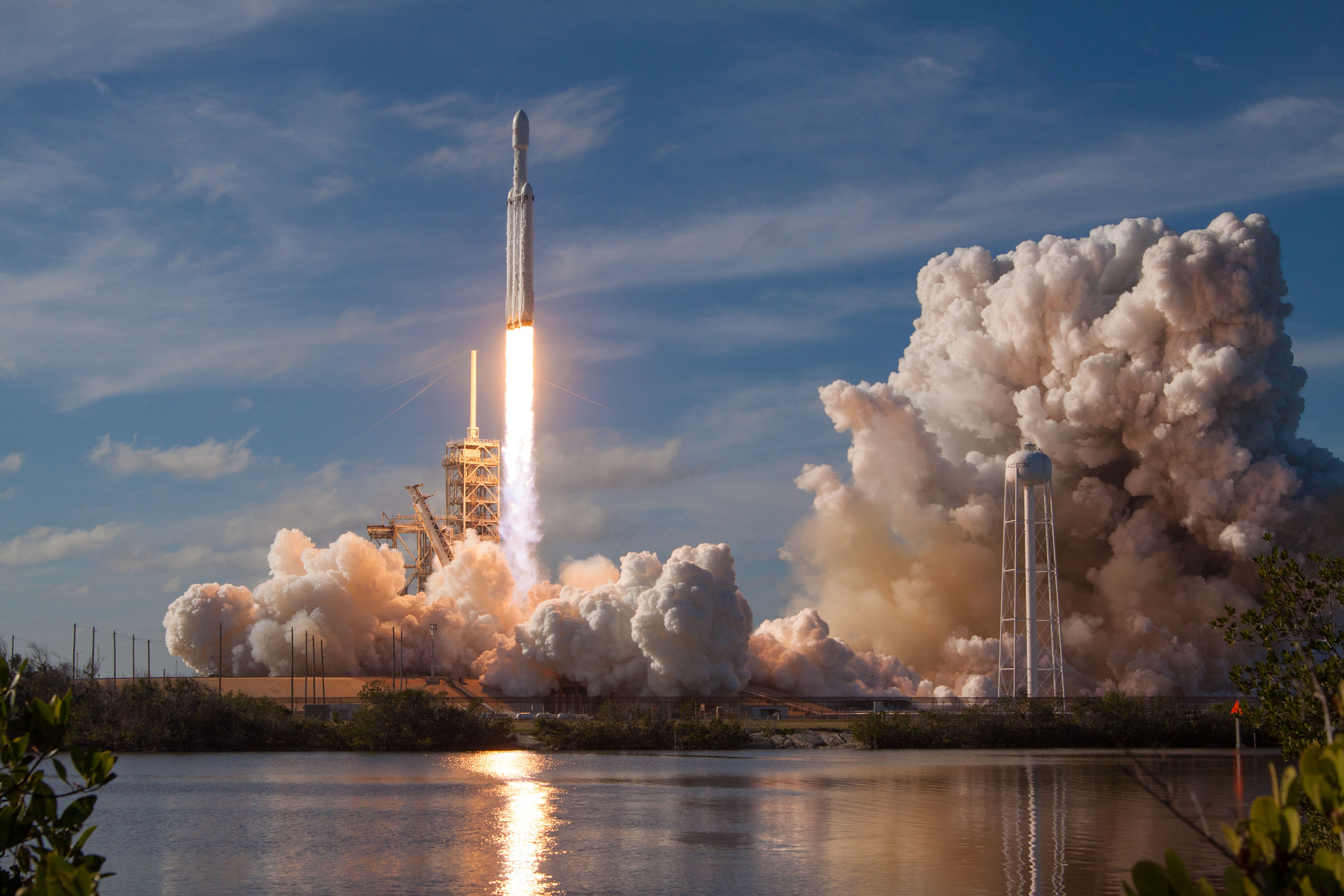
SpaceX may be turning from the world’s most famous private company into the most dramatic public-market event in modern history. Reports around its IPO filing point to a possible valuation between roughly $1.75 trillion and $2 trillion, a massive raise, extraordinary voting control for Elon Musk and a story big enough to absorb every market obsession at once: rockets, satellites, AI, Mars, defense, broadband, data centers and Musk himself.
The viral version is simple: SpaceX pre-IPO shares are closing in on $1,000, Musk owns a large equity stake, controls most of the votes, and he is about to become the world’s first multi-trillionaire.
That is the kind of headline that sells itself. But the reality needs discipline.
Musk’s wealth depends on valuation, liquidity, ownership structure, lock-up periods, compensation milestones and whether the market actually sustains the IPO price after trading begins. A paper valuation is not the same as cash. A founder can be worth hundreds of billions on paper and still be unable to sell large amounts without crushing the stock or violating restrictions. The difference between “trillionaire” and “multi-trillionaire” is not a meme. It is a calculation.
Still, the scale is real. A SpaceX IPO near $2 trillion would be historic. It would place the company in the same conversation as the largest public technology firms, despite the fact that its business is unlike any of them. SpaceX is not just a rocket company. Starlink gives it a global communications platform. Launch dominance gives it strategic defense relevance. Satellite manufacturing gives it industrial depth. Future plans for space-based infrastructure, AI compute and Mars expansion give it a speculative narrative that normal valuation models struggle to contain.
That is both the opportunity and the danger. Investors are not only buying current cash flows. They are buying Musk’s ability to turn impossible engineering roadmaps into monopolistic infrastructure. Tesla trained markets to price the future aggressively. SpaceX may test how far that habit can go.
There are legitimate bullish arguments. SpaceX has transformed launch economics, built the world’s most visible satellite internet network, and become indispensable to U.S. space policy. It has customers across government, consumer broadband, enterprise connectivity and defense. In a world where secure communications, missile tracking, AI infrastructure and space logistics matter more every year, SpaceX sits at the crossroads.
There are also serious risks. Space is capital-intensive. Rocket programs fail visibly. Starlink faces regulatory and competitive pressure. Space debris concerns are growing. Military dependence can become political vulnerability. If SpaceX has absorbed or connected with AI ventures carrying major losses, investors must ask whether the IPO is funding expansion or subsidizing a broader Musk ecosystem. Governance is another issue: high voting control may reassure Musk loyalists and worry institutional investors.
The Musk factor cuts both ways. He is the reason SpaceX exists in its current form. He is also a volatility engine. Markets may love his ambition and fear his unpredictability. A company with near-civilizational goals can inspire investors, but public shareholders eventually ask ordinary questions: margins, debt, dilution, contracts, capex, litigation, execution and disclosure.
The IPO may be wild. It may also be the moment when investors stop asking what SpaceX is worth and start asking what kind of power they are buying.